The Supreme Court ruled on Tuesday that a Louisiana Rastafari prisoner whose dreadlocks were forcibly shaved by prison officials has no legal remedy for money damages, despite a clear violation of federal religious liberty law. The 6-3 decision in Landor v. Louisiana Department of Corrections and Public Safety split along ideological lines, with the Court's Republican majority holding that prison guards are immune from personal lawsuits under the Religious Land Use and Institutionalized Persons Act of 2000 (RLUIPA).
Forced Shaving After Two Decades of Religious Vows
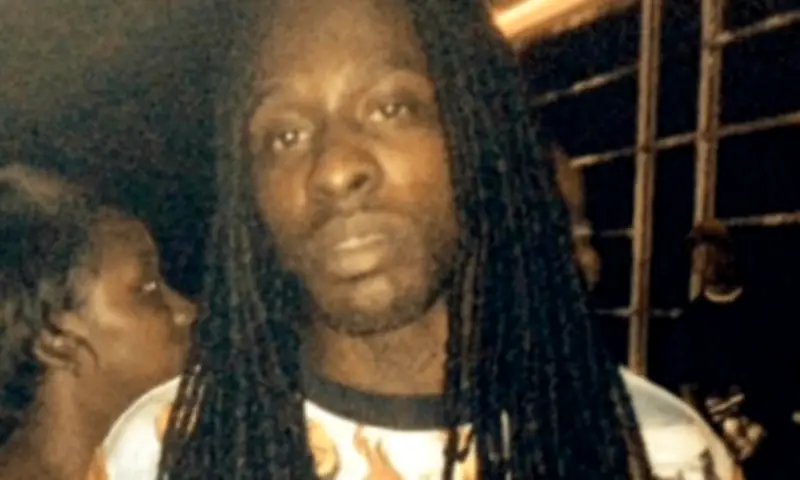
Damon Landor, a Rastafari, had kept his hair uncut for more than two decades for religious reasons, with dreadlocks reaching nearly to his knees. In 2020, while serving a five-month sentence for a drug-related offense, prison officials handcuffed him to a chair, held him down, and shaved his head. According to his lawyers, Landor had brought a copy of a federal appeals court decision—which held that Louisiana prisons violate RLUIPA by cutting Rastafari prisoners' hair—but guards threw it in the trash and proceeded with the shaving.
Technical Distinction Shields Guards from Liability
Writing for the majority, Justice Neil Gorsuch acknowledged that RLUIPA prohibits state prisons receiving federal funding from imposing substantial burdens on religious exercise. However, he argued that RLUIPA operates like a contract between the federal government and the state prison system. Since the individual prison guards were not parties to that contract, they cannot be sued for damages personally. Congress could have written the law differently, Gorsuch noted, by requiring guards to consent to lawsuits or by conditioning funds on state laws allowing such suits.

Justice Ketanji Brown Jackson dissented, joined by the Court's Democratic appointees. She wrote that the majority's "hairsplitting undervalues Congress's lawmaking prerogative" and criticized the substitution of "rigid contract-based preferences for Congress's considered statutory design."
Lower Court Consensus and Odd Timing
Numerous federal appeals courts had already agreed with Gorsuch's interpretation, as Louisiana pointed out in its brief. This makes the Supreme Court's decision to hear the case puzzling—by taking it, the justices put their prestige behind a legally defensible but shocking outcome. Had they declined review, the lower court's loss for Landor would have stood without the Court's endorsement.
Potential Impact on Emergency Abortion Access
The Landor decision may have far-reaching consequences beyond religious liberty. Justice Samuel Alito's dissent in Moyle v. United States (2024), which Gorsuch joined, argued that the Emergency Medical Treatment and Labor Act (EMTALA) similarly operates as a contract. EMTALA requires hospitals receiving Medicare to provide emergency care, including abortions, regardless of state bans. After Landor, lower courts are likely to reject EMTALA enforcement against states with abortion bans, potentially leaving women in red states without access to life-saving emergency abortions.
Jackson's dissent also noted that other federal statutes, such as those protecting nursing home residents, could be undermined by the same logic.
No Remedy for Clear Violation
The immediate effect of the decision is that Landor receives no compensation for the violation of his religious liberty. Despite the Court's usual sympathy toward religious plaintiffs—especially Christians—this case marks an exception. The Republican majority's pattern of expanding religious liberty claims did not extend to Landor, possibly because the ruling could undermine civil rights and public health statutes they oppose.