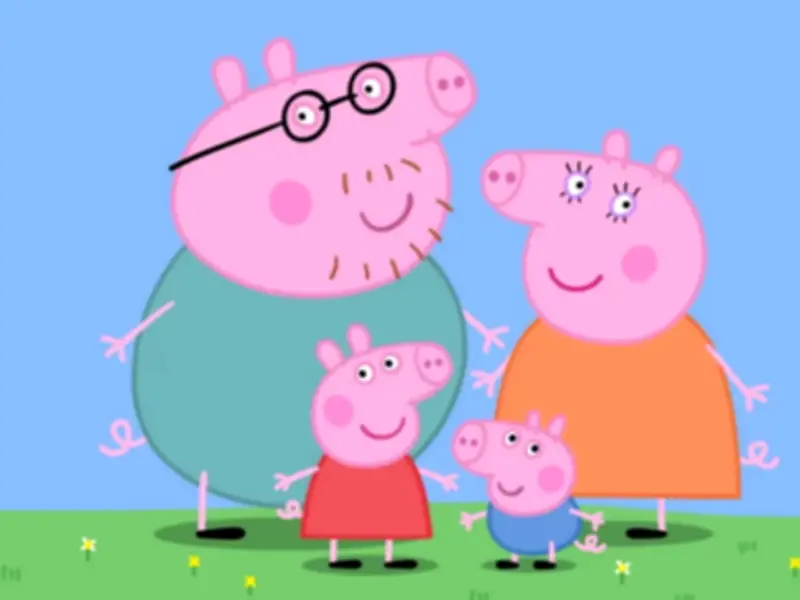
Nearly 1,000 actors, parents, and creatives have signed an open letter criticizing AI-related clauses in child voice actor contracts tied to the Peppa Pig franchise, sparking a growing wave of concern across the entertainment industry. The letter calls on studios and rights holders to reconsider contractual language that could allow recordings of children's voices to be reused for artificial intelligence training or synthetic voice generation.
Ethical Concerns Over Consent and Control
Critics argue that such clauses raise ethical questions about consent, long-term control, and the commercial use of performances recorded during childhood. The debate centers on the industry's increasing use of AI tools that can replicate or modify human voices, particularly in long-running children's programs where young actors are regularly replaced as they age. Opponents of the clauses say children are especially vulnerable, as they may not fully understand how their voice data could be stored or reused in future projects.
Focus on Hasbro and Peppa Pig
The controversy has largely focused on entertainment giant Hasbro, which owns the Peppa Pig intellectual property following its acquisition of Entertainment One. The preschool series remains one of the most globally recognized children's brands, airing in more than 180 countries. Hasbro has recently expanded its experimentation with AI tools across its portfolio, including initiatives involving iconic characters and voice technology partnerships.

According to the open letter, stronger protections are needed, particularly when minors are involved. The letter urges clearer consent frameworks and compensation rules if AI systems are trained using performers' voices or likenesses. Hasbro has previously stated that it is exploring ways to use AI to support storytelling and content development while maintaining safeguards for intellectual property and performers.
Wider Industry Tension
The issue reflects a wider tension in the entertainment industry as studios, unions, and creatives continue to negotiate how AI should be used in film, television, and animation without undermining performers' rights or reshaping the role of human voice actors. As discussions continue, the debate around Peppa Pig has become one of the most high-profile examples of how AI is reshaping contractual standards in children's programming and raising new questions about ownership of voice and performance.