A Senate sub-committee has made significant recommendations to reform Pakistan's elite Central Superior Services (CSS) examination process, calling for two attempts per year and an increased upper age limit of 35 years for candidates.
Key Recommendations for CSS Reform
The Sub-Committee of the Senate Standing Committee on the Cabinet Secretariat, chaired by Senator Saleem Mandviwala, convened at Parliament Lodges with representatives from both the establishment division and Federal Public Service Commission (FPSC). During the meeting, the panel received a comprehensive briefing on the current CSS competitive examination structure and proposed major changes to make the system more candidate-friendly.
The committee strongly recommended allowing CSS candidates two examination attempts each year, arguing that the current single annual attempt forces students to stretch their preparation across four years. Many candidates lose eligibility due to age constraints under the existing system. The proposed two-attempt system would function similarly to supplementary examinations in other education systems, preventing students from losing valuable years and helping them remain within prescribed age brackets.

FPSC's Practical Constraints
However, the FPSC representatives pointed out practical limitations to implementing immediate changes. Under the current paper-based evaluation system, conducting two examinations annually is not immediately feasible due to the substantial time required to assess the extensive syllabus and finalize results properly. The commission would need significant infrastructure upgrades to handle the increased workload.
Age Limit Increase and Examination Structure
Another crucial recommendation emerging from the meeting was raising the general upper age limit for CSS candidates to 35 years. The committee considered various factors that contribute to students taking gap years, including educational disruptions and personal circumstances that may delay their preparation.
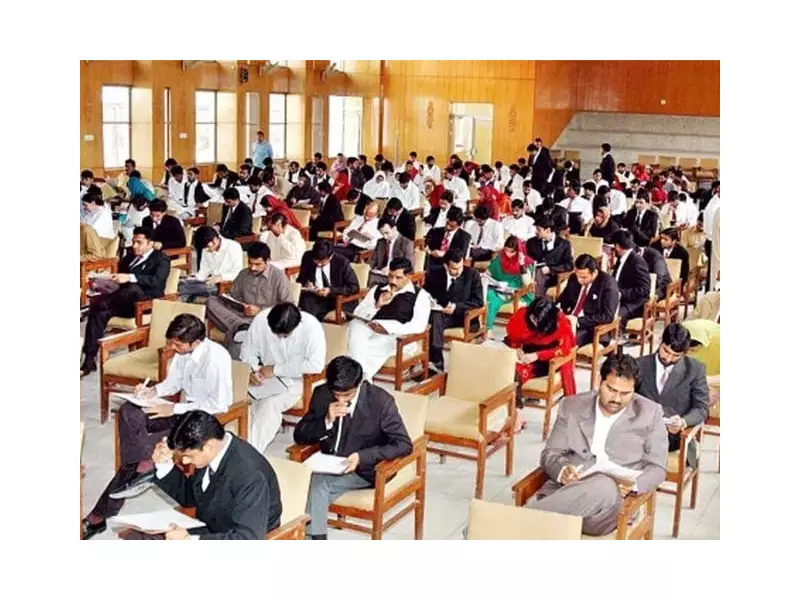
The meeting also detailed the current examination structure: The screening test comprises 200 marks and serves as a qualifying stage only. The written examination includes 600 marks for compulsory subjects with a 40% qualifying threshold, and another 600 marks for optional subjects requiring 33% to pass. Candidates must secure an aggregate of 50% (600 out of 1,200 marks) in the written examination to qualify for the next stages.
Successful candidates then proceed to psychological assessment, medical examination, and finally the viva voce carrying 300 marks, of which 100 marks (33%) are required to pass. Overall merit allocation is based on a total of 1,500 marks across all stages of the selection process.
These proposed reforms represent potentially the most significant changes to the CSS examination system in recent years, aimed at making the elite civil service more accessible to qualified candidates across Pakistan.