Iran's Foreign Minister Expresses Gratitude to Pakistan Amid Regional Conflict
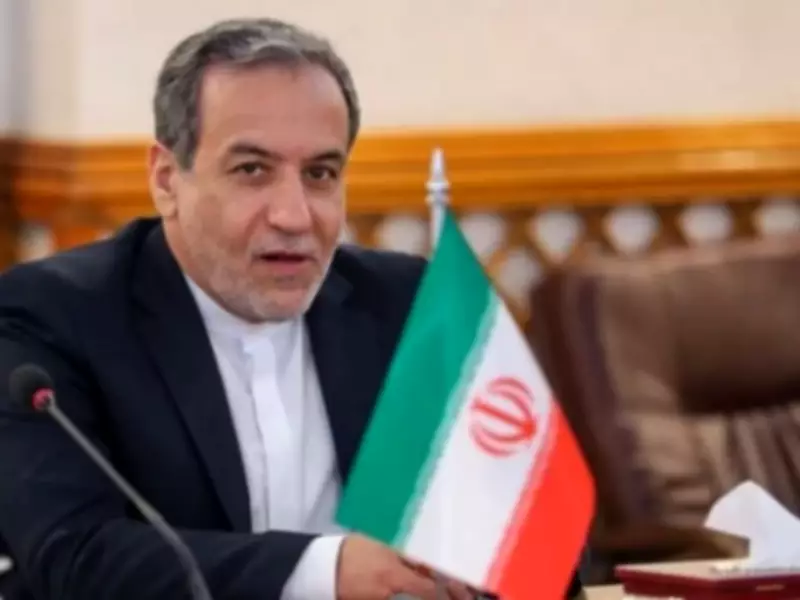
Iran's Foreign Minister Abbas Araghchi has publicly thanked the government and people of Pakistan for their steadfast support during ongoing aggression from the United States and Israel. In a social media post on platform X, written in Urdu, Araghchi conveyed his appreciation on what he described as a blessed, divine, and spiritual day.
The minister stated: "I extend my heartfelt gratitude to the government and people of Pakistan for their strong expression of solidarity with the people and government of the Islamic Republic of Iran in the face of aggression by America and the Zionist regime."
Iran's Commitment to Sovereignty and Pakistan's Diplomatic Role
Araghchi emphasized Iran's unwavering commitment to defending its sovereignty and territorial integrity, noting that the nation relies fully on Almighty Allah. He called for continued steadfastness and perseverance in confronting external threats that challenge regional stability.

The current Middle East conflict, which erupted on February 28, 2026, began with coordinated strikes by US and Israeli forces against Iran. The situation quickly escalated as Iran retaliated with drone and missile strikes targeting US assets and allied interests across the Gulf region.
Pakistan has adopted a cautious yet supportive stance throughout the crisis. While avoiding direct military involvement, Islamabad has consistently called for restraint and dialogue among all parties. The Pakistani government has expressed clear solidarity with Iran, underscoring the deep historical, cultural, and economic ties that bind the two nations.
Pakistan's Diplomatic Efforts and International Actions
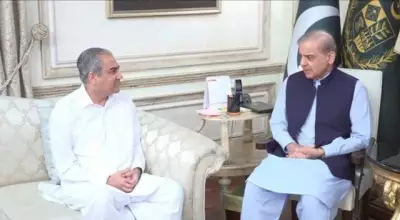
Officials in Islamabad have been actively engaged in diplomatic efforts to mitigate the conflict. Prime Minister Shehbaz Sharif and Deputy Prime Minister Ishaq Dar, who also serves as foreign minister, have maintained regular communication with regional leaders to advocate for de-escalation and peaceful resolution.
In international forums, Pakistan has demonstrated a balanced approach. Last week, the country supported a Bahrain-led resolution at the United Nations Security Council that condemned Iran's retaliatory strikes. This resolution was successfully adopted, reflecting Pakistan's alignment with certain international concerns.
Simultaneously, Pakistan backed a Russian draft resolution addressing military escalation in the region. However, this proposal was vetoed by the United States, highlighting the complex geopolitical dynamics at play.
High-Level Visits and Pakistan's Bridge-Building Role
Prime Minister Shehbaz Sharif undertook a brief visit to Saudi Arabia on March 12, where he held a meeting with Crown Prince Mohammed bin Salman. The discussions focused on regional developments and the ongoing conflict, emphasizing Pakistan's role in fostering dialogue among Gulf states and global powers.
The Foreign Office of Pakistan has described the country's role during this conflict as that of a "bridge builder." This strategy involves balancing solidarity with Iran while actively urging Gulf states and international powers to pursue negotiation and diplomacy over military confrontation.
Pakistan's diplomatic maneuvering aims to prevent further escalation and promote a peaceful resolution to the crisis, reflecting its commitment to regional stability and its historical ties with Iran.