Pakistan's Delicate Diplomatic Balancing Act
In a rapidly evolving geopolitical landscape, Pakistan finds itself walking a diplomatic tightrope, carefully navigating its relationships with three key global players: Iran, Saudi Arabia, and the United States. This delicate balancing act has become increasingly complex as regional tensions escalate and strategic interests collide, forcing Islamabad to employ nuanced diplomacy to protect its national interests while maintaining crucial alliances.
The Tehran-Riyadh-Washington Triangle
The core of Pakistan's diplomatic challenge lies in managing its ties with Tehran, Riyadh, and Washington simultaneously. Each relationship carries significant weight and presents unique complications. With Iran, Pakistan shares a long border and deep historical connections, making regional stability a mutual concern. However, Tehran's nuclear ambitions and regional activities often put it at odds with Western powers, creating potential friction points for Islamabad.
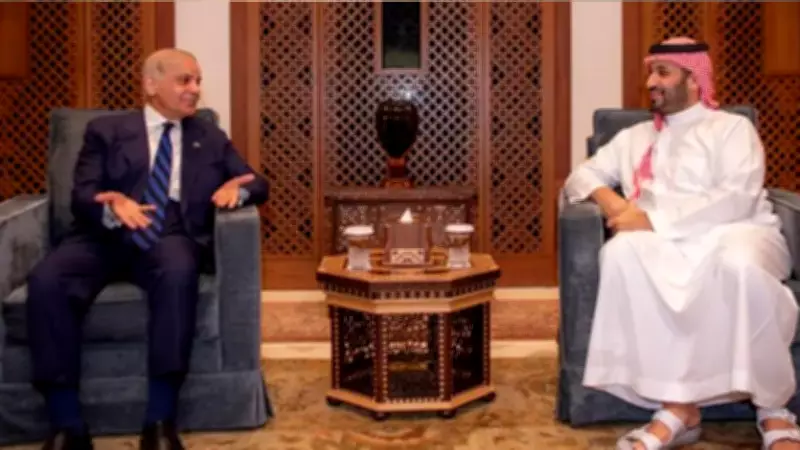
Meanwhile, Saudi Arabia represents one of Pakistan's most important strategic partners, with strong economic, defense, and religious ties binding the two nations. The Kingdom has been a crucial source of financial support and employment opportunities for Pakistani citizens, making this relationship particularly sensitive. Yet Riyadh's rivalry with Tehran and its close alignment with Washington creates additional layers of complexity for Pakistani diplomats.

Strategic Calculations and Regional Realities
Pakistan's approach to this diplomatic triangle involves careful strategic calculations based on several key factors:
- Economic Considerations: Both Saudi Arabia and the United States represent vital economic partners, while Iran offers important energy and trade opportunities.
- Security Imperatives: Pakistan must balance counterterrorism cooperation with Washington against maintaining border security with Iran.
- Regional Stability: Islamabad has a vested interest in preventing escalation between Tehran and Riyadh, which could destabilize the entire region.
- Domestic Politics: Public opinion and political pressures within Pakistan influence how the government approaches each relationship.
This multifaceted approach requires constant adjustment as regional dynamics shift. Recent developments in the Middle East, including changing alliances and security arrangements, have made Pakistan's position even more precarious.
The American Factor in Pakistan's Diplomacy
Washington's role adds another dimension to Pakistan's diplomatic calculations. The United States remains a crucial partner in areas ranging from counterterrorism to economic assistance, yet American policies toward both Iran and Saudi Arabia frequently create challenges for Islamabad. Pakistan must carefully manage its relationship with Washington while avoiding being drawn into conflicts or alliances that could compromise its relationships with Tehran or Riyadh.
This requires sophisticated diplomatic maneuvering, as Pakistan seeks to maintain its strategic autonomy while cooperating with the United States on issues of mutual interest. The balancing act becomes particularly delicate when Washington's positions directly conflict with those of Tehran or Riyadh, forcing Pakistani diplomats to find creative solutions that preserve all three relationships.
Future Challenges and Opportunities
Looking ahead, Pakistan faces several challenges in maintaining this delicate balance:

- Escalating Regional Tensions: Any significant deterioration in Iran-Saudi relations could force Pakistan to choose sides.
- Changing Global Dynamics: Shifts in American foreign policy could alter the diplomatic landscape.
- Economic Pressures: Pakistan's economic needs may require prioritizing certain relationships over others.
- Domestic Constraints: Internal political developments could limit Pakistan's diplomatic flexibility.
Despite these challenges, Pakistan's position also presents opportunities. By maintaining relationships with all three powers, Islamabad can potentially serve as a bridge between conflicting parties and play a constructive role in regional diplomacy. This requires careful calibration of policies and consistent diplomatic engagement across multiple fronts.
As the geopolitical landscape continues to evolve, Pakistan's ability to navigate this diplomatic tightrope will remain crucial to its national interests and regional stability. The coming months and years will test Islamabad's diplomatic skills as it seeks to balance competing demands while protecting its sovereignty and strategic autonomy in an increasingly complex international environment.