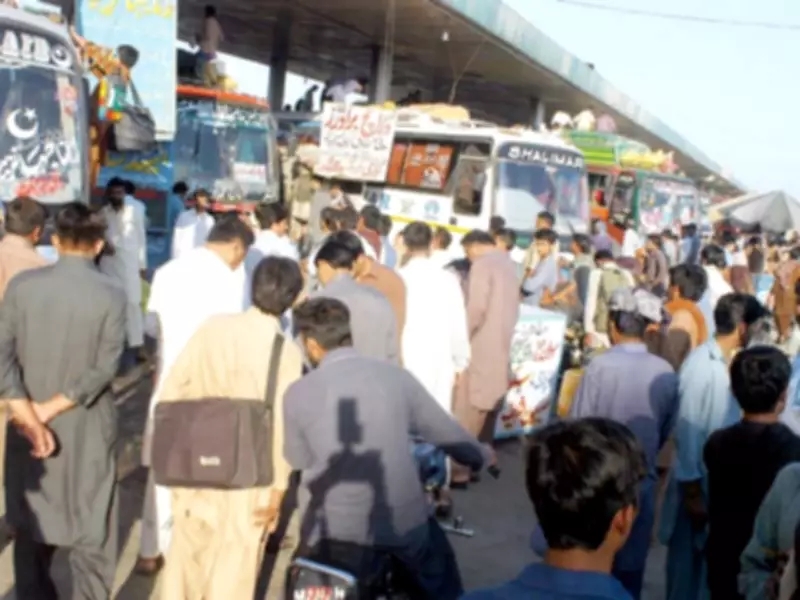
Fare Hikes Disrupt Eid Homecoming Tradition in Pakistan
Millions of Pakistanis are experiencing significant disruptions to their cherished Eid homecoming traditions this year, as fare hikes by transport services have made travel increasingly unaffordable. This annual migration, where families reunite in their hometowns to celebrate Eid, is a deeply ingrained cultural practice, but rising costs are forcing many to reconsider or cancel their plans.
Impact on Travel and Family Reunions
The fare increases, reported across various modes of transport including buses, trains, and airlines, have led to widespread frustration among travelers. Many individuals, particularly those from lower-income backgrounds, find themselves unable to bear the additional financial burden, resulting in postponed or abandoned trips. This disruption not only affects personal celebrations but also has broader social implications, as family bonds and community ties are strained by the inability to gather during this important religious festival.
Transport operators cite rising fuel prices and operational costs as primary reasons for the hikes, but critics argue that the timing exacerbates the hardship for ordinary citizens. The situation highlights ongoing economic challenges in the country, where inflation and currency devaluation continue to pressure household budgets.

Economic and Social Consequences
Beyond the immediate travel woes, the fare hikes are impacting local economies in rural and urban areas alike. Businesses that typically thrive during Eid, such as hospitality, retail, and food services, may see reduced activity if fewer people travel. Moreover, the emotional toll on families separated during the festivities cannot be understated, as Eid homecoming is a key moment for maintaining cultural and familial connections.
Authorities have been called upon to intervene and regulate fares to ensure accessibility, but so far, no comprehensive measures have been implemented. This lack of action has sparked debates about the government's role in protecting consumer rights during peak travel seasons.
- Increased fares for buses, trains, and airlines
- Financial strain on low-income travelers
- Reduced economic activity in destination areas
- Calls for regulatory intervention
As Eid approaches, the disruption caused by fare hikes serves as a stark reminder of the intersection between economic policies and cultural traditions. Moving forward, stakeholders must collaborate to find sustainable solutions that preserve the essence of Eid homecoming while addressing the practical challenges of modern travel.