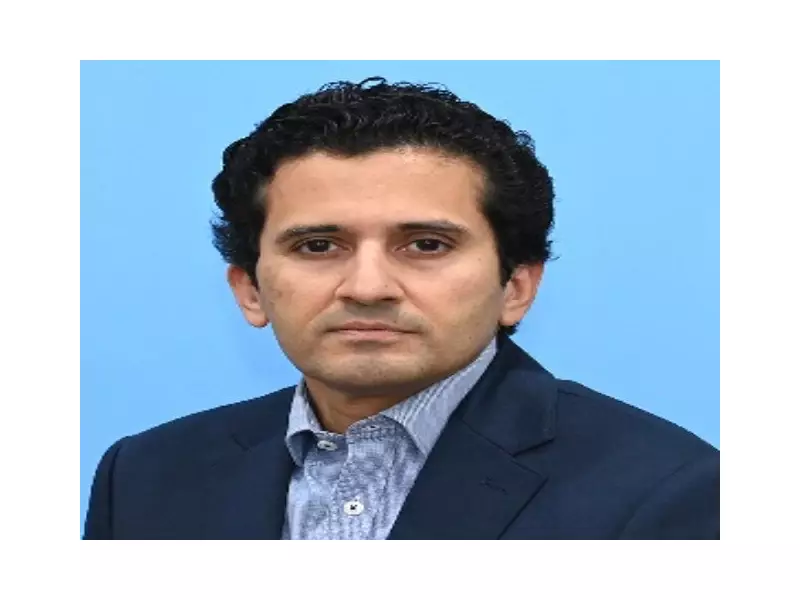
The Pakistani government has successfully collected a substantial amount of Rs66 billion through the recent increase in petroleum levy, according to official revelations made in the Senate. This significant financial development came to light during a parliamentary session where Finance Minister Muhammad Aurangzeb provided detailed insights into the country's fiscal measures.
Senate Session Reveals Fiscal Details
During the Senate proceedings, Finance Minister Muhammad Aurangzeb openly shared crucial information about the government's revenue collection efforts. The minister confirmed that the enhanced petroleum levy has become a major source of revenue generation for the national exchequer. This disclosure came in response to questions raised by Senator Dilawar Khan, who sought transparency regarding the government's taxation policies and their impact on citizens.
The Senate session, chaired by Chairman Yusuf Raza Gilani, witnessed thorough discussions about the economic policies and their implementation. The finance minister's presentation highlighted how the government has been navigating the challenging economic landscape while maintaining fiscal discipline and meeting revenue targets.

Breakdown of Petroleum Pricing
The finance minister provided a comprehensive breakdown of the current petroleum pricing structure, revealing important details about the tax components. According to the official statement, the petroleum levy currently stands at Rs60 per liter, representing a significant portion of the total price consumers pay at petrol pumps.
In addition to the petroleum levy, the government also collects general sales tax (GST) on petroleum products, though the minister clarified that this tax is imposed at zero percent under the current arrangement. This pricing structure demonstrates the government's attempt to balance revenue generation with public affordability concerns.
The detailed explanation came amid growing public concern about rising fuel prices and their cascading effect on inflation and transportation costs across the country.
Economic Context and Implications
The collection of Rs66 billion through petroleum levy increases occurs against the backdrop of Pakistan's ongoing economic challenges. The government has been implementing various measures to stabilize the economy and meet the conditions set by international financial institutions.
The substantial revenue generated from the petroleum levy highlights its importance as a key source of government income. However, this approach also raises questions about the burden on common citizens who are already grappling with high inflation and economic pressures.
Economic experts suggest that while such levies provide immediate fiscal relief to the government, they also contribute to the rising cost of living, affecting everything from transportation to essential commodity prices.
The Senate discussion also touched upon broader economic reforms and the government's strategy for sustainable economic growth. Minister Aurangzeb emphasized the administration's commitment to fiscal responsibility while acknowledging the challenges posed by global economic trends and domestic requirements.
As Pakistan continues its economic recovery journey, the effectiveness and social impact of such revenue generation measures remain subjects of ongoing debate among policymakers, economists, and the general public.