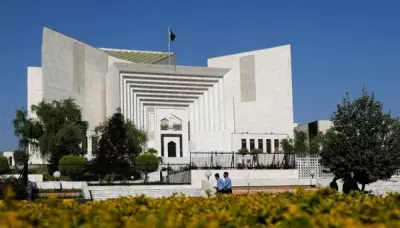
Parliamentary Supremacy: The Bedrock of Pakistan's Constitutional Democracy
In the intricate tapestry of Pakistan's political landscape, the principle of parliamentary supremacy stands as a cornerstone of constitutional democracy. This foundational concept ensures that the legislative branch, embodied by the Parliament, holds ultimate authority in the governance structure. The supremacy of Parliament is not merely a theoretical construct but a practical mechanism that shapes the nation's legal and political processes.
Constitutional Framework and Legislative Authority
The constitutional framework of Pakistan explicitly enshrines parliamentary supremacy, granting the Parliament the power to enact laws, oversee executive actions, and represent the will of the people. This legislative authority is crucial for maintaining a balance of power among the different branches of government. By upholding this principle, Pakistan reinforces its commitment to democratic norms and the rule of law, ensuring that governance remains transparent and accountable to the citizens.
Historical Context and Evolution

The evolution of parliamentary supremacy in Pakistan has been shaped by historical events and constitutional amendments. Over the decades, this principle has faced challenges and adaptations, reflecting the dynamic nature of the country's political environment. Despite these fluctuations, the core idea of Parliament as the supreme legislative body has persisted, underscoring its importance in safeguarding democratic institutions.
Implications for Governance and Policy-Making
The implications of parliamentary supremacy extend beyond legislative processes to influence broader governance and policy-making. With Parliament at the helm, decisions regarding national policies, economic strategies, and social reforms are debated and finalized through democratic means. This ensures that diverse perspectives are considered, fostering inclusive development and stability.
Key aspects of parliamentary supremacy include:
- Legislative sovereignty in law-making and amendments.
- Oversight of executive functions to prevent overreach.
- Representation of public interests through elected officials.
- Judicial review within constitutional limits to uphold checks and balances.
In practice, parliamentary supremacy empowers lawmakers to address pressing issues such as economic reforms, social justice, and international relations. By leveraging this authority, Pakistan can navigate complex challenges while adhering to democratic principles.
Challenges and Future Prospects
Despite its significance, parliamentary supremacy in Pakistan encounters challenges, including political polarization, institutional constraints, and external pressures. However, ongoing efforts to strengthen democratic institutions and promote civic engagement offer promising prospects for reinforcing this principle. As Pakistan continues to evolve, maintaining parliamentary supremacy will be vital for ensuring sustainable governance and upholding the constitutional mandate.
In conclusion, parliamentary supremacy remains an essential element of Pakistan's constitutional democracy, shaping the nation's political trajectory and governance mechanisms. By embracing this principle, Pakistan reaffirms its dedication to democratic values and the rule of law, paving the way for a more accountable and responsive political system.