Two years after the contentious 2024 general elections, Pakistan's political divisions are growing more severe instead of mending. The country finds itself in a state of prolonged political conflict, with a significant portion of the populace and political forces rejecting the legitimacy of the current setup.
Opposition Mobilizes with Strike Call and "Black Day"
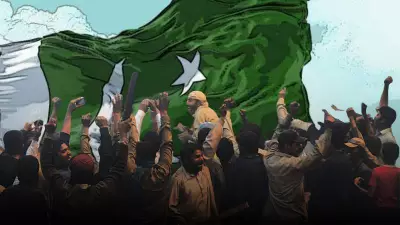
The simmering discontent has found a fresh outlet. The All Parties Conference (APC), convened by the Tehreek-e-Tahafuz-e-Aain-e-Pakistan (TTAP) at the Karachi Press Club, has announced a major protest action. It has called for a nationwide wheel-jam and shutter-down strike on February 8, which will be observed as a "Black Day." This move signals a coordinated pushback against a political order widely perceived as exclusionary and engineered.
The core grievances remain unchanged since the polls. The opposition's demands center on:

- Allegations of widespread electoral rigging in the 2024 elections.
- The appointment of a neutral Chief Election Commissioner.
- Fresh elections conducted under a completely reconstituted Election Commission of Pakistan (ECP).
These are not minor complaints; they strike at the very heart of democratic legitimacy. The persistence of these demands, regardless of one's political leanings, underscores a profound and unaddressed crisis of trust between the state and a vast segment of its citizens.
A Deepening Stalemate and Its Consequences
This protest movement is unfolding against a troubling backdrop. Critics point to a series of legislative and administrative actions that have effectively excluded a popular political force from the mainstream and are seen as confining the judiciary's role. This environment fuels the opposition's narrative of a system working against popular will.
However, the chosen method of protest—shutdowns and strikes—presents a serious dilemma. While it is a traditional and powerful tool for demonstrating dissent, it carries significant risks. The economic pain inflicted by such actions falls hardest on ordinary citizens and small businesses already struggling with inflation and economic instability. The opposition must carefully navigate this tension to broaden its public appeal rather than alienate potential supporters with disruptive tactics.
The Search for a Political Pathway Forward
Mobilization through strikes and symbolic observances can keep public discontent in the spotlight, but it is not a long-term solution. History shows that prolonged confrontation often radicalizes opposition movements and entrenches political instability, a scenario Pakistan can ill afford.
The current political climate is dangerously deadlocked. On one side is an incumbent order asserting its procedural authority, and on the other is an opposition that fundamentally questions the foundations of that authority. Breaking this dangerous stalemate requires a departure from the current course.
The path forward must involve serious, open-minded, and inclusive dialogue. As analysts and observers note, any credible negotiation for a stable political future cannot proceed without having the Pakistan Tehreek-e-Insaf (PTI) at the table. The alternative is a continued cycle of protest, repression, and deepening national division.