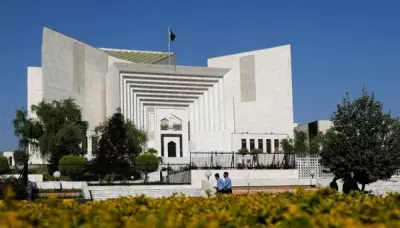
Major Opposition Protest Against Constitutional Changes
The opposition alliance Tehreek-e-Tahafuz-e-Ayin-e-Pakistan (TTAP) organized a significant demonstration on Tuesday, marching from Parliament House to the Supreme Court in strong opposition to the controversial 27th Amendment. This protest forms part of a nationwide movement initiated by opposition parties following Parliament's approval of the 27th Amendment Bill last week, which introduces substantial modifications to the judiciary and military command structure.
Political Leaders Unite in Protest
The protest witnessed participation from numerous prominent political figures, including Members of the National Assembly, senators, and leaders from parties within the alliance. Key participants included TTAP chief Mehmood Khan Achakzai, alliance Vice Chairman Senator Allama Raja Nasir Abbas, PTI Chairman Gohar Ali Khan, former National Assembly speaker Asad Qaiser, and PTI Secretary General Salman Akram Raja.
Protesters carried banners displaying powerful slogans such as "death to dictatorship, long live democracy" and "27th Amendment rejected", clearly expressing their stance against the constitutional changes.

Future Plans and Strong Condemnation
During his address to protesters, Achakzai announced the alliance's comprehensive strategy to resist the amendment. The TTAP will organize a national conference focusing on the 27th Amendment, inviting judges, lawyers, and journalists to participate in discussions about its implications.
Following decisions made in their meeting last week, the alliance declared that a "Black Day" will be observed nationwide on Friday, November 21 as a powerful symbol of protest against the constitutional changes.
Achakzai strongly criticized the provision granting lifetime immunities to the Army Chief and President through this amendment. He emphasized that every individual must be held accountable for their actions under Islamic principles, regardless of their position.
The TTAP leader firmly stated that no political party, even with complete parliamentary mandate, possesses the authority to alter the Constitution's basic structure that ensures civilian supremacy. He asserted that while military and judicial institutions should function independently, they must ultimately remain accountable to the elected Parliament.
The opposition alliance has vowed to continue its resistance against what they describe as an attack on judicial independence, warning that the 27th Amendment could have dangerous consequences for the rule of law in Pakistan.