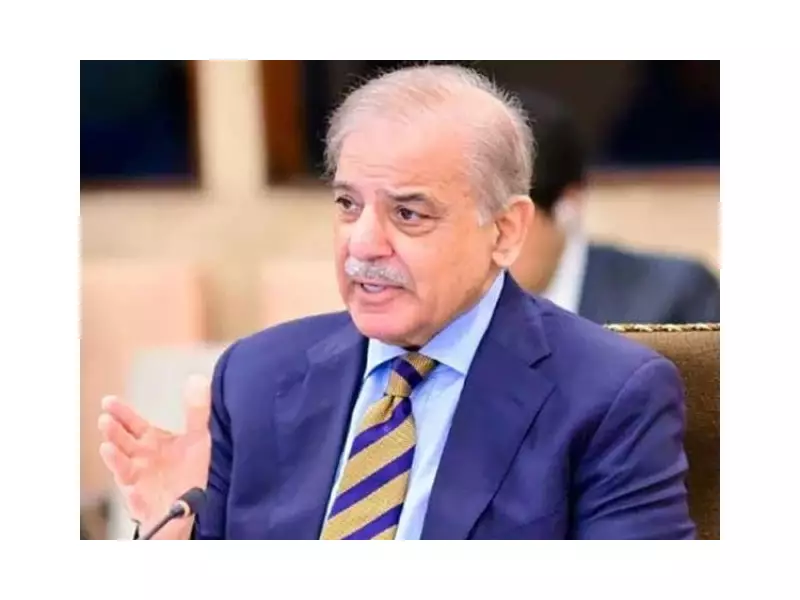
In a significant political development, the opposition alliance Tehreek Tahafuz Ayeen-e-Pakistan (TTAP) has formally responded to Prime Minister Shehbaz Sharif's offer for negotiations. The alliance declared its readiness to engage in dialogue with the government while putting forward a demand for a new national charter to steer the country out of its current multifaceted crisis.
TTAP Meeting and Key Demands
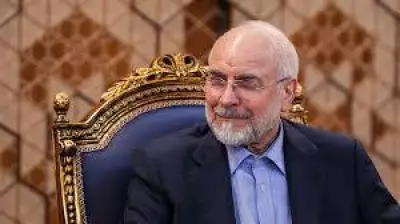
The decision was reached during a meeting of the alliance held on Wednesday. The gathering was chaired by Mahmood Khan Achakzai, who heads the TTAP and is also the chairman of the Pakhtunkhwa Milli Awami Party. A statement issued by the alliance's spokesperson confirmed the attendance of key figures including TTAP Vice Chairman Senator Allama Raja Nasir Abbas, BNP (Mengal) leader Sajid Tareen, Secretary General Asad Qaiser, Vice Chairman Mustafa Nawaz Khokhar, and spokesperson Akhunzada Hussain Yousafzai.
During the session, participants held detailed consultations on various matters. These included reviewing the successful two-day national opposition conference and planning the future strategy for observing a Black Day and strike on February 8 across Pakistan and internationally. The prime minister's offer for talks was a central point of discussion.

Principles of the Proposed National Charter
The alliance members agreed in principle on the urgent necessity of a new national compact. They argued that such a charter is critical to pull Pakistan out of the prevailing political and economic crisis, restore law and order, improve governance, and eliminate public despair. The opposition outlined specific pillars for this proposed charter:
- Ensuring transparent elections in the future.
- Appointment of a consensus-based new Election Commissioner.
- Upholding parliamentary supremacy and the rule of law.
- Protection of human rights.
- Strengthening constitutional and democratic values.
The alliance expressed its willingness to engage in dialogue to achieve these objectives. It is pertinent to recall that Achakzai, representing TTAP in the National Assembly, had previously stated that if all political parties agree on restoring the 1973 Constitution, ensuring parliamentary and civilian supremacy, and having all institutions adhere to their constitutional limits, he would take responsibility for obtaining Imran Khan's signature on the new charter.
Organizational Moves and PTI's Stance
To ensure the success of the planned February 8 Black Day observance and street mobilisation, the TTAP decided to form sub-committees at the provincial and district levels. These committees are expected to be announced soon.
Meanwhile, in a related development, the Pakistan Tehreek-e-Insaf (PTI) has categorically distanced itself from what it termed the so-called Grand National Dialogue initiative. PTI Secretary Information Sheikh Waqas Akram told The Express Tribune that neither the party nor its leadership has authorized or endorsed any such forum. He made it clear that PTI is not part of any process initiated by individuals like Fawad Chaudhry. Akram suggested that individuals who had parted ways with PTI were resorting to such initiatives in a bid to remain politically relevant, stating, "Those who left the PTI have nowhere to go and are adopting such tactics merely to stay in the public eye."
Path Forward for Political Stability
The TTAP's conditional acceptance of dialogue and its substantive demands for a national charter set the stage for potential high-stakes political negotiations. The call for a charter addresses core issues of institutional roles, election integrity, and constitutional governance that have been at the heart of Pakistan's recent political turmoil. However, the explicit disassociation by PTI, a major opposition force, from parallel dialogue initiatives highlights the fragmented political landscape and poses a significant challenge to achieving a broad-based consensus. The coming days will reveal whether the government's offer and the TTAP's response can evolve into a credible process aimed at resolving the nation's deep-seated crises.