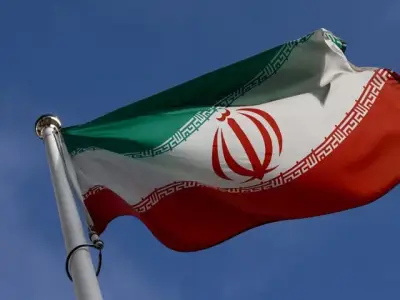
The ongoing US-Iran conflict and its spillover across the Middle East have profoundly impacted not only the geopolitical landscape but also the global economy and supply chains. The World Food Programme (WFP) has issued an alarming alert, stating that billions of people are on the brink of a food catastrophe. Hunger is escalating due to soaring fuel and transportation costs, a direct consequence of the Middle East war, which has inevitably driven up food prices worldwide.
Strait of Hormuz and Oil Supply Disruptions
The Strait of Hormuz, which facilitates over 20% of global oil supplies, remains volatile as realpolitik considerations keep nations on edge. Oil-dependent economies are struggling to manage their foreign procurements, leading to increased costs and supply uncertainties. The UN aid agency has minced no words, warning that humanitarian assistance is also under supply crunch and may need to scale back aid for a larger segment of recipients.
Economic Fallout and Military Expenditures
The economic fallout of the US-Iran war on the world is estimated to reach $1 trillion. Concurrently, direct Pentagon expenditures for munitions and maintenance have soared to roughly $1 billion per day. This unfolds against a backdrop where over a million Palestinians have been displaced from the Israel-besieged Gaza, forced into destitution. Meanwhile, millions of hungry people in Africa remain unaccounted for, as they do not feature on elite-driven agendas.

Oil Price Volatility and OPEC-Plus Dynamics
The price of oil per barrel escalated to $135 before retreating to $90. The UAE's exit from OPEC-Plus and other internal fissures are adding uncertainty to global energy markets. The UN has rightly warned that disruptions in fuel and fertiliser supplies could push 30 million people into acute food crises. Additionally, shipment delays are driving up insurance premiums and freight rates while causing organic supplies to perish.
Red Flags for Global Food Security
The unavailability of ammonia, urea, and natural gas from the Gulf region poses further red flags for global food security. This sordid equation necessitates immediate action to avert a looming recession and civil strife as millions face starvation. The international community must prioritize stabilizing energy markets and ensuring humanitarian aid reaches those in need.