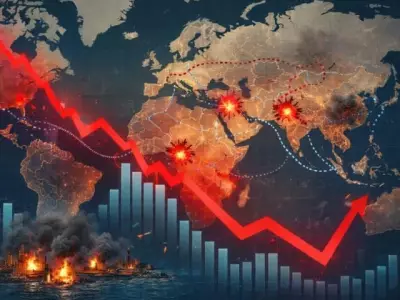
KARACHI: Pakistan's short-term inflation, measured by the Sensitive Price Indicator (SPI), surged 14.75% year-on-year, driven by heightened geopolitical tensions following the Israel-US conflict with Iran and disruptions to global oil supplies through the Strait of Hormuz. This has caused a sharp rise in energy and food prices, continuing to burden households across the country.
SPI Data and Global Context
According to the latest SPI reading released by the Pakistan Bureau of Statistics (PBS), the index for the week ended June 4, 2026, stood 14.75% higher than the corresponding week last year. The high inflation comes amid volatile global energy markets due to prolonged conflict in the Gulf region, disrupting crude oil shipments through the Strait of Hormuz—a vital artery for nearly a fifth of the world's oil trade. Pakistan, heavily reliant on imported crude oil and petroleum products, is particularly vulnerable to such external shocks.
Petroleum Price Surge
PBS data showed petroleum prices were among the biggest contributors to annual inflation. Petrol prices were 50.6% higher than a year ago, while high-speed diesel (HSD) prices increased by 49.63%. Liquefied petroleum gas (LPG) prices surged 57.09% during the same period, adding pressure on transport, logistics, and household energy costs.

Food Inflation Remains Elevated
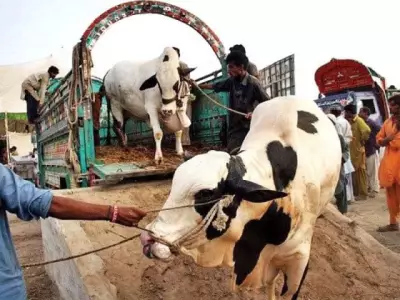
Food inflation also remained elevated. Onion prices more than doubled, rising 100.68% year-on-year, while wheat flour prices climbed 59.88%. Tomatoes became 20.62% more expensive, mutton prices increased 15.86%, and beef prices rose 12.87% compared to the same week last year.
Weekly Decline Offers Limited Relief
Despite the sharp annual increase, weekly inflation eased by 0.56% compared with the preceding week, mainly due to lower prices of chicken, garlic, petrol, and diesel. Chicken prices fell 9.48% week-on-week, while diesel and petrol declined 7.01% and 6.8%, respectively. However, the relief was partially offset by sharp increases in vegetable prices. Onion prices jumped 28.16% week-on-week, potatoes rose 21.91%, and tomatoes gained 9.56%. Wheat flour, fresh milk, cooking oil, and LPG also recorded increases in consumer purchase costs.
Impact Across Income Groups
Among income groups, the lowest consumption quintile recorded a 12.59% annual increase, while the overall SPI rose 14.75%, indicating that inflationary pressures remained widespread across households despite the week-on-week decline.
Consumer Price Index Trends
The monthly Consumer Price Index (CPI) surged by 11.7% year-on-year in May 2026, compared to a rise of 10.9% in the previous month and 3.5% in May 2025. On a month-on-month basis, it edged higher by 0.5% in May, compared to an increase of 2.5% in the previous month and a decrease of 0.2% in May 2025. Urban inflation soared by 11.8% year-on-year, while rural areas experienced an 11.5% increase in May 2026.