In a move that has sparked significant debate, Pakistan's caretaker bureaucracy has managed to retain crucial administrative powers, a situation that appears to contradict the conventional role of a neutral setup during an election period. This development raises critical questions about the fairness and transparency of the upcoming general elections, scheduled for February 8, 2024.
ECP's Directive and the Bureaucratic Hold
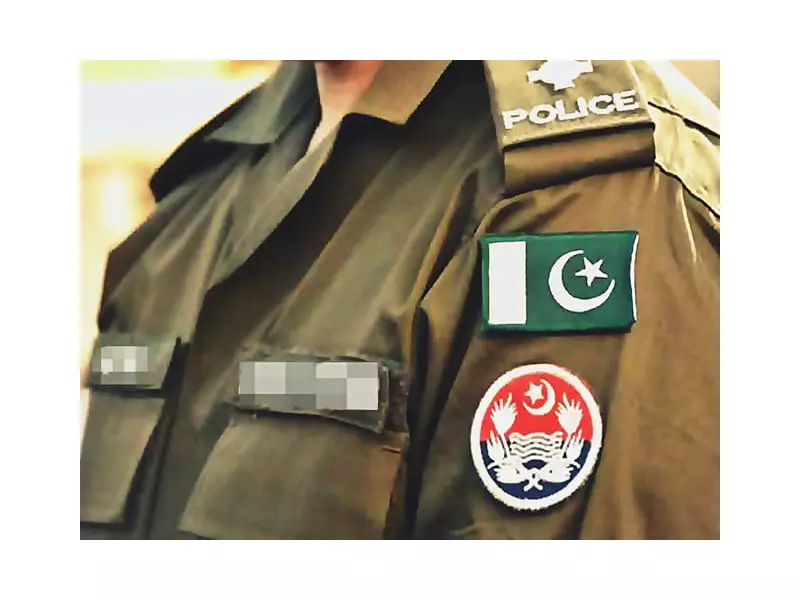
The Election Commission of Pakistan (ECP) had issued clear instructions for the transfer and posting of key bureaucratic officers ahead of the polls. The aim was to establish a neutral administrative environment to ensure a level playing field for all political contestants. However, reports indicate that a substantial number of these officers, including those in influential positions within the police and revenue departments, have not been moved from their posts.
This retention of power by the caretaker bureaucracy is seen by many analysts as a direct challenge to the ECP's authority. It undermines the commission's efforts to minimize the potential for administrative bias or influence in the electoral process. The officers in question continue to wield significant control over local governance and law enforcement, which are pivotal during election campaigns and on polling day.

Implications for Electoral Integrity
The core function of a caretaker government is to act as a impartial facilitator for free and fair elections. By allowing the bureaucracy to remain entrenched, the current setup risks compromising this fundamental principle. Political parties and civil society groups have expressed apprehension that this could lead to an uneven contest, where the state machinery might be perceived as favoring certain political interests over others.
The situation is particularly sensitive given Pakistan's political history, where the role of the establishment and bureaucracy in elections has often been a point of contention. The failure to implement the ECP's transfer orders in letter and spirit casts a shadow over the pre-election environment, fueling doubts about the autonomy of the electoral process from non-political actors.
A Test for Democratic Norms
This episode represents a major test for Pakistan's evolving democratic norms. The ECP, empowered by constitutional and legal provisions, is the supreme body tasked with conducting elections. The apparent resistance to its directives by the interim setup's administrative arm highlights the ongoing tension between different institutions of the state.
Observers note that for the elections to be widely accepted as credible, it is imperative that the caretaker government operates strictly within its mandated, limited role. The continued hold of key bureaucrats on power contradicts the spirit of the constitutional provisions governing interim governments. It places the onus squarely on the ECP to assert its authority more forcefully to ensure its directives are fully implemented across all provinces and federal territories.
The coming weeks will be crucial in determining whether the electoral playing field can be leveled, or if the influence of a powerful bureaucracy will remain a defining feature of the 2024 general elections. The integrity of the democratic transition hinges on resolving this institutional impasse in favor of transparency and neutrality.