In a significant move, the federal cabinet of Pakistan has officially sanctioned the postponement of the much-anticipated local government elections in the capital territory of Islamabad. This decision puts a temporary halt to the electoral process that was set to take place on the last day of 2025.
The Rationale Behind the Postponement
The primary reason cited for this delay is a critical shortage of security personnel required to ensure a peaceful and orderly polling process. The cabinet, chaired by Prime Minister Shehbaz Sharif, approved a summary from the Ministry of Interior which highlighted this pressing security challenge. The summary pointed to the extensive deployment of police and other law enforcement agencies in other parts of the country, particularly for maintaining law and order and managing large public gatherings, which has stretched security resources thin.
This lack of adequate security forces was deemed a major threat that could compromise the integrity and safety of the Islamabad local government elections. The cabinet concluded that holding the polls under such circumstances would be inadvisable, leading to the formal approval for their deferral.

Official Process and Legal Context
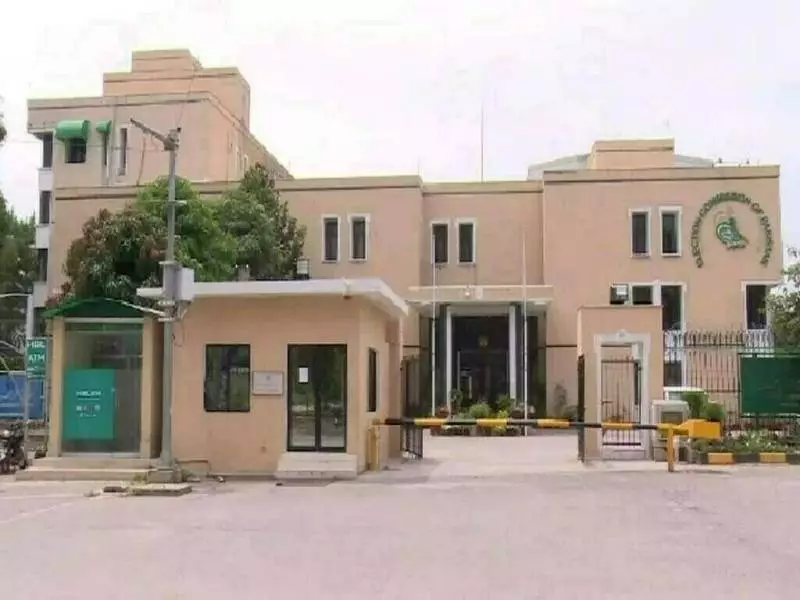
The formal request for postponement originated from the Ministry of Interior. Following the cabinet's approval, the federal government is now mandated to officially communicate this decision to the Election Commission of Pakistan (ECP). The ECP, as the constitutional body responsible for organizing elections, will then issue a new schedule for the local government polls in Islamabad.
It is important to note that the original date of December 31, 2025, was finalized by the ECP after a prolonged period of uncertainty and delays. The commission had been actively preparing for the elections, making this last-minute postponement a notable development in Pakistan's political landscape.
Implications and Public Reaction
The decision to delay the local government elections is likely to draw mixed reactions from political stakeholders and the public. Proponents of the move will argue that ensuring security is paramount and that elections cannot be held in an environment where the safety of voters, candidates, and electoral staff is at risk. They will view the cabinet's decision as a necessary and responsible step.
However, critics and opposition parties may perceive this as another instance of unnecessary delay in the democratic process at the grassroots level. Local government elections are crucial for devolving power and addressing civic issues at the community level, and any postponement is often met with disappointment by citizens awaiting representation.
The ball is now in the ECP's court to determine a new, feasible date for the elections. All eyes will be on the commission to see how quickly it can reorganize the electoral machinery and announce a fresh timeline, taking into account the resolved security constraints. The move underscores the ongoing challenges in balancing electoral timelines with the practical realities of security and resource management in the country.