The United Nations on Monday hailed the newly announced "Trilateral Framework" established by the United States, Israel, and Lebanon as a significant milestone in the quest for peace in the region. Stephane Dujarric, spokesperson for UN Secretary-General Antonio Guterres, told reporters that the arrangement "constitutes a milestone in efforts to end decades of conflict and advance lasting stability" between Israel and Lebanon.
Framework Details and Signing Ceremony
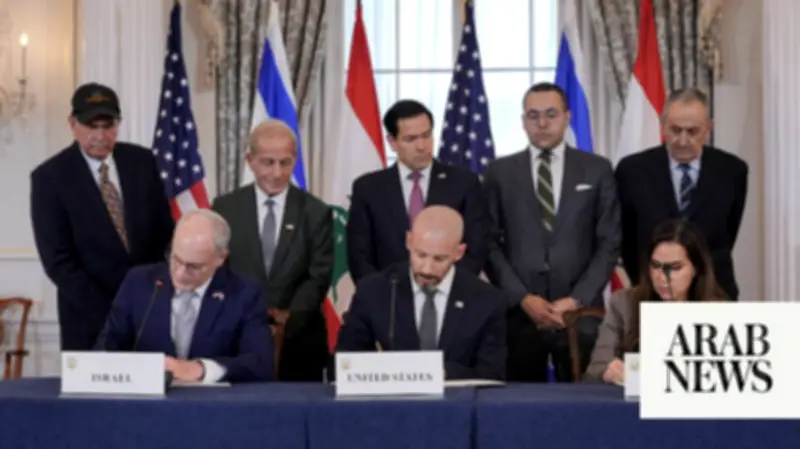
The framework was announced on June 26, 2026, during a signing ceremony at the State Department in Washington, D.C. US Secretary of State Marco Rubio looked on as State Department Counselor Daniel Holler, Israel's Ambassador to the US Yechiel Leiter, and Lebanon's Ambassador to the US Nada Hamadeh signed the agreement. The trilateral pact brings together the three nations in what officials described as a renewed political track aimed at resolving longstanding tensions along the Israeli-Lebanese border.
UN Support and Resolution 1701
Dujarric emphasized the UN's continued commitment to supporting both Lebanon and Israel in fulfilling their obligations toward a long-term resolution of the conflict, in line with Security Council Resolution 1701. This resolution has governed ceasefire arrangements along the border since 2006. He stressed the importance of working to resolve outstanding issues through dialogue "to achieve sustainable stability on both sides of the Blue Line," referring to the de facto border separating the two countries, and to safeguard the sovereignty and security of both states.

Path to Lasting Stability
The agreement marks a renewed diplomatic effort to address decades of conflict and border disputes. The UN spokesperson reiterated that the organization remains ready to provide support for the implementation of the framework and for any further negotiations required to ensure lasting peace. The Trilateral Framework is seen as a potential turning point in Israel-Lebanon relations, with both sides committing to work through the US-mediated process to resolve outstanding issues.