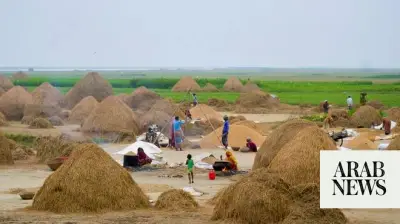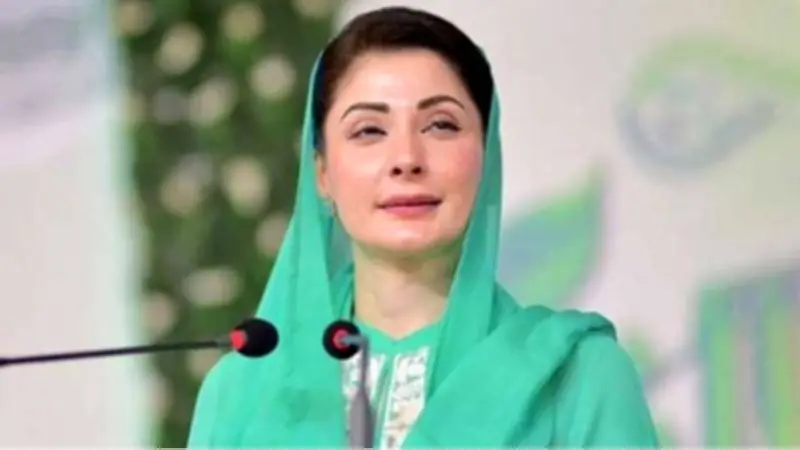
Punjab Chief Minister Maryam Nawaz on Monday initiated the computerized balloting process for the 'Apna Khet Apna Rozgar' programme, which allocates cultivable state-owned agricultural land to 30,000 landless and deserving families across the province. The announcement was made during a ceremony in Lahore, where the chief minister highlighted the swift transition of the initiative from planning to implementation.
Programme Details and Land Distribution
The programme aims to distribute 121,000 acres of government-owned cultivable land on a 20-year lease at a symbolic annual rent of Rs100 per acre. Beneficiaries will also receive financial assistance of Rs50,000 per acre, along with technical support to facilitate effective cultivation. Maryam Nawaz stated that each eligible family receiving four acres would be provided Rs200,000 to prepare the land for cultivation, thereby helping them build sustainable livelihoods.
Application and Balloting Process
Launched on April 22, the programme garnered around 60,000 applications. Computerized balloting has been completed for nearly 29,000 plots. Notably, 11,000 women applied for the scheme. The chief minister emphasized that all applicants were given the opportunity to submit appeals before the final draw, ensuring transparency and merit in the selection process.

Beneficiary Engagement and Future Phases
During the event, Maryam Nawaz spoke by phone with one of the successful applicants, Abdul Sattar from Faisalabad, congratulating him on securing land under the scheme. According to the government, allotment letters will be issued within a week, and possession of the land is expected to be handed over by July 31.
Impact and Eligibility Criteria
The chief minister said the initiative is designed to empower landless families, improve agricultural productivity, and enhance farmers' economic well-being. She stressed that only applicants without agricultural land were eligible and that the entire selection process was conducted transparently and strictly on merit. She also announced that any additional cultivable government land identified in Punjab would be distributed in future phases to extend the programme's benefits to more deserving families.