Jurgen Wasim Frembgen and Paul Rollier, in their book "Wrestlers, Pigeon Fanciers, And Kite Flyers: Traditional Sports and Pastimes in Lahore," draw on extensive field research to reveal the reasons behind the rise and fall of wrestling in Lahore, the declining number of pigeon fanciers, and the enduring affection for kite flying among Lahoris.
Authors and Background
Frembgen is an anthropologist and professor of history and culture at the University of Munich, with a visiting professorship at Quaid e Azam University and the National College of Arts. Rollier holds a PhD in social anthropology and researches democratic culture and power in South Asia. The book builds on earlier works by Pran Nevile, who explored kite flying in "Lahore: A Sentimental Journey," and Majid Sheikh, who chronicled pigeon fanciers, kite flyers, and pehlwaans in his Dawn columns and book "Lahore: Tales Without End."
Structure of the Book
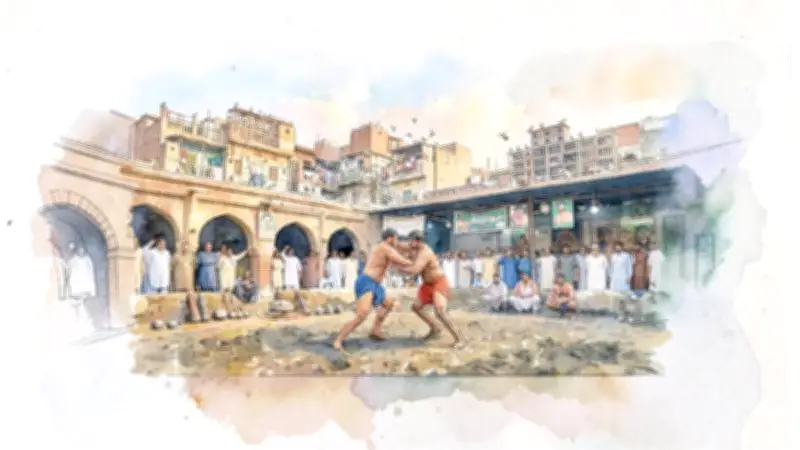
The book is divided into three sections, each dealing with a specific sport or pastime. The opening chapter focuses on wrestlers' bodies and the rich diet needed to build and maintain their vigor and stamina. Terms like Kushti (wrestling) and Akhara (desi gymnasium) are explained in their local context. Citing sources such as Akbarnama, Ain-i-Akbari, and Baburnama, the authors argue that wrestling flourished during the Mughal era through royal patronage.

Wrestling: Patronage and Decline
The authors note that "there has been a system of patronage by local rajas, sardars, khans and chaudhrys for centuries." Kings supported pehlwaans to demonstrate might to rivals. Wrestlers require mentors, or Ustads, and a "Khalifa" is a title bestowed on a successful wrestler after his active career. Wrestlers begin their kushtis only after permission from their ustads. However, the International Olympic Committee's rule changes have worked against Pakistani wrestlers, preventing them from qualifying for international competitions, a move the authors claim was aimed at benefiting the West.
Pigeon Fancying: A Declining Pastime
The second section explores pigeon flying, dating back centuries and practiced in many countries. The Mughal Emperor Akbar had more than 20,000 pigeons, finding that "the dervish like flight of his pigeons inspired him in his prayers." Cities like Lucknow, Delhi, Lahore, and Multan are famous for pigeon enthusiasts. The authors claim there are over one lakh pigeon fanciers in Lahore alone. The pastime is addictive, with fanciers spending days and nights with pigeons, earning them a bad name in society.
Kite Flying: The Undying Passion
The third section deals with kite flying, the most cherished pastime of Lahoris. Though tracing its roots to China, it is celebrated with pomp in Lahore. Poets like Mirza Asadullah Khan Ghalib and Nazir Akbarabadi composed couplets about it, and the saint Shah Hussain invoked the kite and string to symbolize his relationship with God. During Basant, this pastime reaches its zenith, with the sky festooned with thousands of colorful kites. The recent Basant in Lahore stands witness to the abiding love for kite flying.
Visual Appeal and Conclusion
The book includes photographs of pehlwaans in action, pigeon fanciers tending to birds, and kite flyers celebrating Basant in colorful kurtas. It serves as a valuable guide for those interested in Lahore's sports and pastimes.