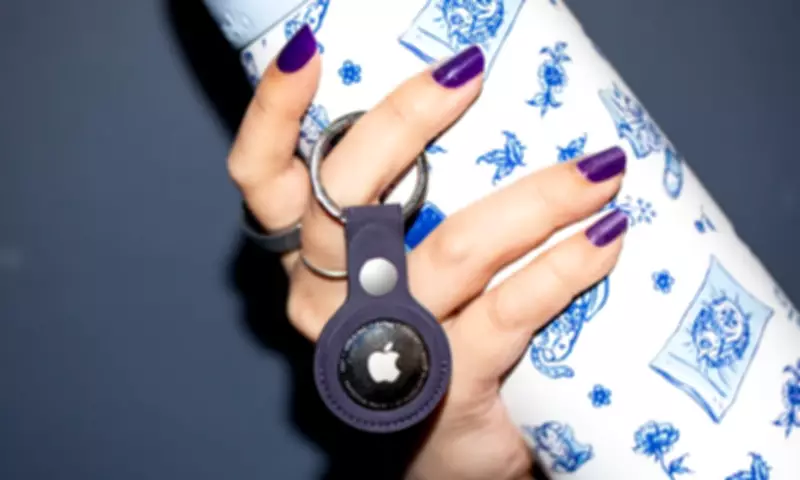
Second-Gen AirTags: A Lifesaver for the Chronically Disorganized
In a recent and somewhat contentious episode of the Vergecast, I made a bold declaration: AirTags are a superior product to iPads. This statement sparked a firestorm of criticism from iPad enthusiasts across social media platforms. While I acknowledge and respect their passionate defense, the release of the second-generation AirTag has only solidified my belief that this unassuming, $29 tracking device stands as one of Apple's most practical and beneficial innovations.
Key Upgrades and Enhanced Performance
The latest iteration of the AirTag focuses on refining an already effective tool rather than introducing radical changes. The core improvements include upgraded ultra-wideband and Bluetooth chips, which extend the tracking range by approximately 1.5 times compared to the original model. Additionally, the device features a redesigned speaker that produces a chime with a higher pitch and is 50 percent louder. Another notable enhancement is the integration of Precision Finding functionality with the Apple Watch, available for users with at least a Series 9 or Ultra 2 model.
Prior to Apple's announcement of this refresh, my household already relied on seven AirTags, with plans to acquire more. Both my spouse and I manage ADHD, and we share our home with mischievous cats that delight in batting objects under furniture and into hidden corners. Without these trackers, we would likely waste an hour each day navigating the 42 stairs of our four-story townhouse in search of essential items. We have attached AirTags to key fobs, television remotes, wallets, car glove compartments, and even inside our expensive Canada Goose jackets, which are crucial during the frigid East Coast winters.

Persistent Challenges and Practical Solutions
Despite their utility, the original AirTags were not without flaws. We have experienced issues such as low chime volume during searches in crowded areas like parking lots, connectivity struggles over Bluetooth, and the inconvenient disc shape that does not fit well in standard wallets without specialized accessories. The devices also scuff easily and can disassemble if dropped, posing a risk if pets access the battery.
The second-generation AirTags do not address all these concerns; they retain the same shape, size, and design, and my review unit showed scuff marks almost immediately after attachment. However, the enhanced chime volume and extended range proved transformative in real-world testing. When compared to an original AirTag with a fresh battery, the new model demonstrated faster connectivity, quicker chime activation, and more reliable Precision Finding signals.
Vertical Range and Apple Watch Integration
A significant improvement is in vertical range, a common issue in multi-story homes. While the original AirTag struggled beyond one floor, the second-gen model maintained a strong connection and audible chime from the fourth floor down to the ground level, even when obscured under blankets or between cushions. My favorite upgrade, however, is the ability to use Precision Finding directly from the Apple Watch. Although setup requires adding a button to the control panel rather than using the Find Items app, it streamlines the process for those who often misplace their phones but keep their watches on.
Privacy Considerations and Upgrade Strategy
Apple continues to include unwanted tracker alerts and emphasizes that AirTags are not intended for tracking people or pets, unlike some competitors. The company argues that the louder chime may deter malicious use, though real-world impact remains to be seen. For existing users, upgrading all AirTags could cost around $200, raising concerns about electronic waste since the coin cell batteries are replaceable. A more practical approach is to prioritize upgrading tags for frequently lost items and repurpose older ones for less critical uses.
In conclusion, while iPad advocates rightly note that AirTags are not essential for everyone, for individuals like myself who grapple with forgetfulness and disorganization, the second-generation AirTags represent a meaningful and valuable enhancement. They may not be flashy, but their improved performance makes them an indispensable tool for managing daily life.