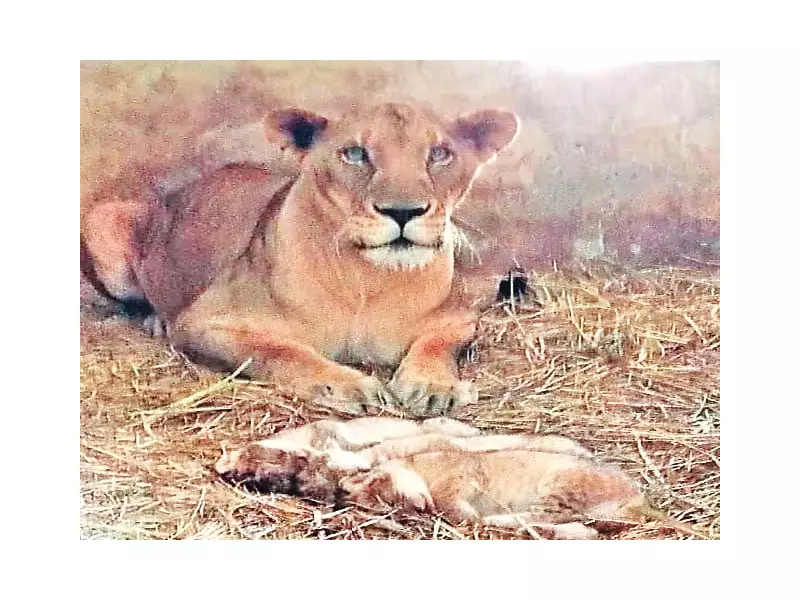
In a significant move for animal welfare, the Sindh government has officially banned the breeding of big cats and exotic animals at the Karachi Zoo. The directive, issued by the provincial wildlife department, aims to address long-standing concerns about the living conditions and management of these majestic creatures in the zoo's confines.
Official Directive Halts Breeding Programs
The decisive order came directly from the office of Sindh Wildlife Department's Director General, Javed Ahmed Mahar. A formal letter was dispatched to the director of the Karachi Zoo, explicitly instructing the zoo administration to immediately cease all breeding activities involving lions, tigers, and other exotic animal species. This action is not a temporary measure but a permanent policy shift for the facility.
The directive leaves no room for ambiguity. It states clearly that the zoo is now forbidden from allowing its big cats to reproduce. Furthermore, the order mandates the separation of male and female animals to prevent any accidental breeding. This physical separation is a crucial step to ensure the ban is effectively enforced on the ground.

Focus on Welfare and International Standards
This bold decision is rooted in a growing commitment to modernize Pakistan's zoological practices and align them with international animal welfare standards. For years, animal rights activists and concerned citizens have criticized the conditions at the Karachi Zoo, citing inadequate space, lack of environmental enrichment, and poor healthcare facilities for the animals, particularly for large predators that require vast territories.
The breeding ban specifically targets "big cats" like lions and tigers, alongside "exotic animals." The term "exotic" typically refers to species not native to Pakistan, which often have specialized needs that are difficult to meet in a traditional zoo setting. By halting their reproduction, the authorities aim to prevent the perpetuation of situations where animals are kept in sub-optimal conditions simply for public display.
The underlying philosophy is clear: the well-being of the existing animals takes precedence over maintaining a constant population for exhibition. The Sindh Wildlife Department's intervention signals a shift from viewing zoos purely as entertainment venues to recognizing them as institutions with a profound responsibility for animal stewardship.
Implications and the Path Forward for Karachi Zoo
The immediate consequence of this ban is a managed decline in the population of big cats and exotic species at the Karachi Zoo over time. This reduction is seen as a positive step towards allowing the zoo to better care for the remaining animals, potentially improving their enclosures and overall quality of life with more manageable numbers.
This policy also raises important questions about the future role of the Karachi Zoo. It may prompt a strategic re-evaluation of its collection plan, potentially focusing more on native wildlife species of Pakistan that are better suited to the local climate and can be housed in more appropriate, spacious enclosures. Such a focus could transform the zoo into a center for conservation education about indigenous fauna.
The order from DG Javed Mahar sets a powerful precedent for other zoos and wildlife facilities across the province and the country. It demonstrates that regulatory bodies are willing to take concrete, if controversial, steps to enforce higher standards. The success of this initiative will depend on strict monitoring and compliance by the Karachi Zoo administration, ensuring the separation of animals is maintained and no new births occur.
This ban marks a pivotal moment for wildlife management in Sindh. It reflects a growing acknowledgment that keeping wild animals in captivity carries significant ethical obligations. The move has been welcomed by animal welfare advocates who see it as a long-overdue correction towards a more humane and sustainable model for zoological parks in Pakistan.