The Sindh government, in a significant move, has decided to finally implement the long-neglected law of mandatory third-party motor insurance across the province. The decision, aimed at providing financial protection to accident victims, was taken during a cabinet meeting chaired by Chief Minister Syed Murad Ali Shah on Tuesday.
Reviving a Crucial Motor Insurance Law
The cabinet gave its nod to strictly enforce the Motor Third-Party Insurance, a law that exists in most law-abiding nations but has been largely ineffective in Pakistan. Often, it was treated merely as a document to show traffic police during checks. The CM directed that the system be overhauled to ensure victims receive claims without hassle.
On the instructions of CM Murad Ali Shah, the Excise Department held consultations with the Insurance Association of Pakistan to simplify the claims process. A new framework will include:

- Establishment of facilitation desks at excise offices.
- Standardized premium rates for vehicles.
- A dedicated 24/7 helpline for assistance.
- Prompt services from insurance surveyors.
To encourage compliance, the government will also reduce the financial burden. The stamp duty will be slashed from Rs 500 to just Rs 50, and the sales tax on premiums will be reduced from 15% to 5%. The enforcement is scheduled to begin from the next financial year. Furthermore, amendments will be made to the Motor Vehicles Ordinance, 1965, and the Motor Vehicles Act, 1939, to exempt motorcycles from this mandatory insurance.
Public-Private Partnership for Education
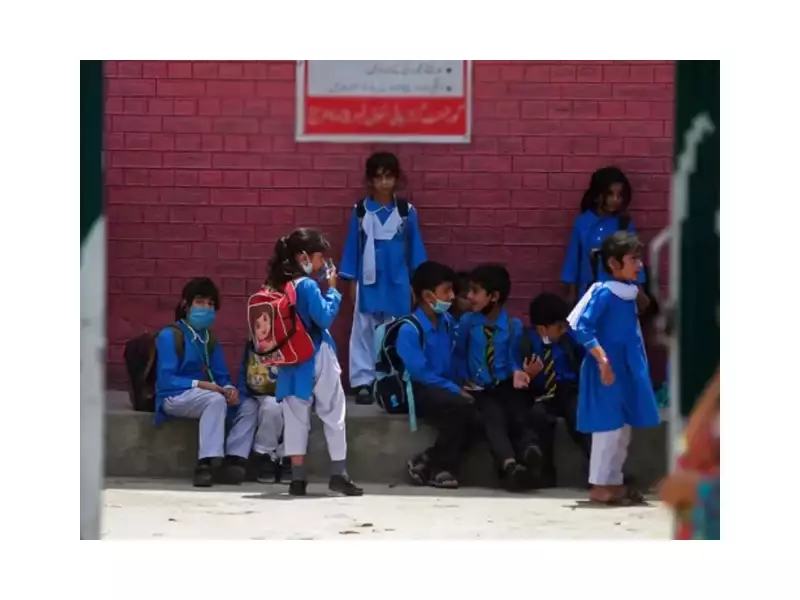
In a major decision for the education sector, the Sindh cabinet approved agreements to hand over the management of 21 municipal schools to The Citizen Foundation (TCF). The schools are located in three Town Municipal Corporations: Malir, Chanesar, and Lyari.
Under the Sindh Right of Children to Free and Compulsory Education Act, 2013, TCF will manage these schools for a renewable term of 25 years. The foundation will provide free quality education, covering tuition, uniforms, and necessary educational materials. The cabinet emphasized the need for immediate renovation and operationalization of these schools, a move expected to benefit thousands of students in the area.
Digitizing Land Records for Transparency
The cabinet also approved pivotal amendments to the Sindh Land Revenue Act, 1967, paving the way for the complete digitalization of land records and the introduction of an e-transfer system. This project, which was initially sanctioned in July 2025, involves a comprehensive overhaul of the current system.
The process will include rewriting and authenticating the existing Records of Rights (Fard). All land data will then be digitized and secured in a blockchain-based database. The pilot phase for this ambitious project will be launched in the districts of Matiari and Sukkur.
A new provision, Section 42-A, has been added to the Act, empowering the provincial government to frame rules specifically for digitalization and electronic transfer of land records. Chief Minister Murad Ali Shah termed this initiative as vital for ensuring transparency, accuracy, and efficiency in the province's land administration, which has long been plagued by disputes and malpractices.
The cabinet meeting was attended by provincial ministers, advisers, special assistants, Chief Secretary Asif Hyder Shah, and other relevant secretaries.