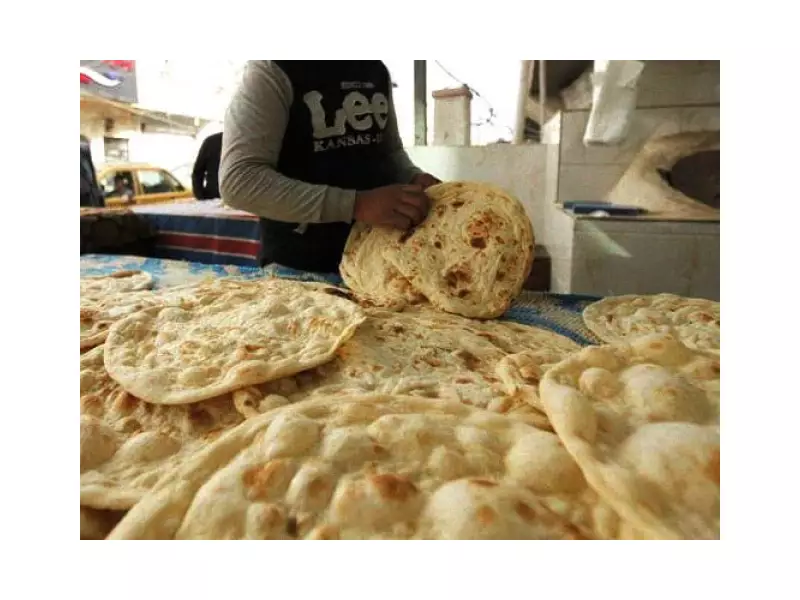
The bustling streets of Peshawar are facing a sudden silence from a familiar and essential corner: the neighborhood tandoors. In a significant move, the city's nanbais, or bread makers, have declared an indefinite strike, effectively shutting down operations across the provincial capital. This drastic action comes as a direct protest against the Khyber Pakhtunkhwa (KP) government's recent decision to halt the supply of subsidized flour to tandoor owners.
The Catalyst for the Protest: A Sudden Ban on Flour Supply
The Nanbai Association of Peshawar has taken a firm stand following the provincial administration's move to ban the supply of government flour to tandoors. This flour was provided at a subsidized rate, a crucial support mechanism that allowed nanbais to produce affordable naan and roti for the masses. The association's leadership has expressed deep frustration, arguing that this decision was made without any prior consultation or warning, leaving them with no viable alternative to continue their business at current prices.
Association officials highlighted that the subsidized flour scheme was a lifeline for both the bakers and the common citizen. With the ban now in place, they face the impossible choice of either absorbing massive financial losses by purchasing flour at much higher market rates or passing the increased cost onto consumers, who are already grappling with soaring inflation. The strike is their collective response to what they see as an unjust and disruptive policy shift.

Immediate Impact and Public Reaction
The consequences of the strike are immediate and widespread. Hundreds of tandoors across Peshawar have closed their shutters, depriving residents of their daily staple. For many families, especially those from lower-income backgrounds, the local tandoor is the primary source of fresh bread. The sudden unavailability threatens to create a minor food crisis within households and disrupts the daily rhythm of the city.
Long queues outside the few functional tandoors or homes with private ovens have begun to form, illustrating the growing public anxiety. Citizens have voiced their concerns, urging both the government and the nanbai association to find a swift resolution. The stalemate places ordinary people in the crossfire of a policy dispute, highlighting the critical role of affordable bread in the region's food security.
Demands and the Path Forward
The Nanbai Association has laid out clear demands for calling off their protest. Their primary request is the immediate restoration of the subsidized flour supply to tandoors through the established mechanism. They argue that this system ensured price stability and accessibility for all. Furthermore, they seek formal assurances from the government that such unilateral actions will not be repeated without engaging stakeholders in meaningful dialogue.
As the strike continues, pressure is mounting on the KP government's food department to address the issue. The department has yet to issue an official statement detailing the reasons behind the ban or outlining a potential compromise. The ongoing protest underscores a larger tension between policy implementation and ground-level economic realities for small businesses that serve as the backbone of community sustenance.
The situation remains fluid, with the nanbais vowing to continue their strike until their demands are met. The resolution of this conflict will not only determine when Peshawar's tandoors reopen but also set a precedent for how the province manages the delicate balance of food subsidies, support for small enterprises, and the welfare of its citizens in challenging economic times.