Lahore continues to grapple with dangerously poor air quality as toxic haze blankets the city, creating severe health hazards for millions of residents. The provincial capital has been ranked among the world's most polluted cities, with air quality indices consistently reaching hazardous levels that pose serious threats to public health.
Health Emergency Unfolds in Punjab's Capital
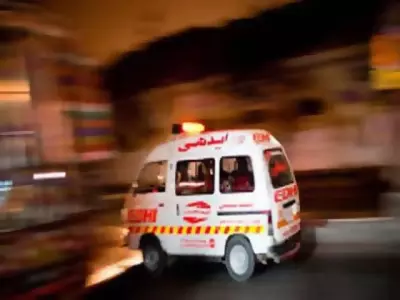
Hospitals across Lahore are reporting significant increases in patients suffering from respiratory problems directly linked to the deteriorating air quality. Doctors confirm treating thousands of cases involving breathing difficulties, asthma attacks, throat infections, and eye irritations. The situation has become particularly dire for vulnerable groups including children, elderly citizens, and individuals with pre-existing health conditions.
Medical professionals express grave concerns about the long-term health implications of prolonged exposure to such polluted air. Respiratory specialists warn that continuous inhalation of toxic particles can lead to chronic lung diseases and cardiovascular problems. The healthcare system faces mounting pressure as emergency rooms fill with patients complaining of pollution-related symptoms.

Multiple Factors Fuel Pollution Crisis
The toxic air situation results from a combination of factors that converge during winter months. Industrial emissions, vehicle exhaust, crop burning, and construction dust collectively contribute to the hazardous smog enveloping the city. Meteorological conditions, including temperature inversion, trap pollutants close to the ground, preventing their dispersion and creating the thick haze that reduces visibility and compromises air quality.
Environmental experts point to inadequate enforcement of environmental regulations and the lack of comprehensive pollution control measures as key reasons behind the recurring crisis. The problem intensifies annually as various pollution sources continue operating without sufficient checks and balances.
Authorities Struggle with Response Measures
Government officials have implemented several measures to address the emergency, including partial lockdowns, school closures, and work-from-home directives. However, these efforts have yielded limited success in substantially improving air quality levels. The provincial government faces criticism for not implementing long-term solutions to prevent the annual recurrence of the pollution crisis.
Environmental protection departments continue monitoring the situation while issuing health advisories recommending that citizens, especially those with respiratory conditions, limit outdoor activities and use protective masks when venturing outside. The government has also initiated cloud seeding experiments in attempts to induce artificial rain that might help clear the polluted air, though results remain uncertain.
As Lahore's air quality crisis persists, residents endure another season of health hazards and environmental challenges. The situation underscores the urgent need for sustainable solutions and coordinated efforts among government agencies, industries, and citizens to combat air pollution effectively.