Lahore Chokes Under Hazardous Smog Blanket
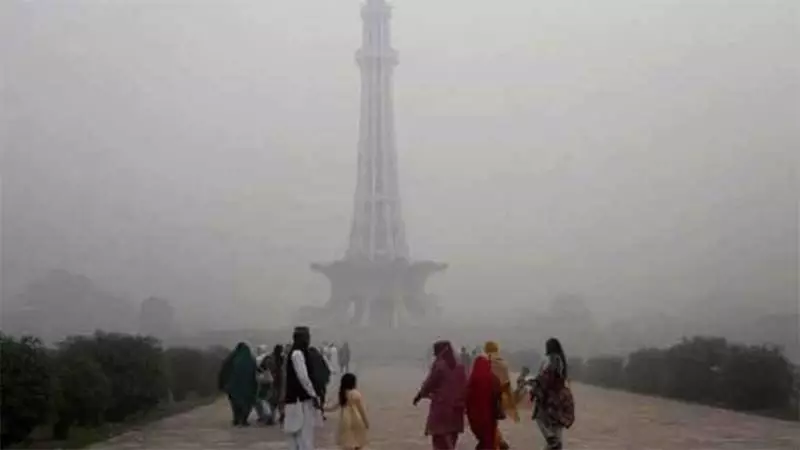
Lahore is currently facing an extreme environmental emergency as toxic air pollution envelops the city, pushing it to the second position among the world's most polluted urban centers. Global environmental monitoring data confirms the severity of the situation, with the city's Air Quality Index reaching a dangerous 455, firmly placing it in the hazardous category that poses significant health threats to residents.
Critical Pollution Levels Across Key Areas
The pollution crisis has affected various parts of Lahore with alarming intensity. Monitoring stations recorded catastrophic readings at multiple locations, painting a grim picture of the city's air quality. Ravi Road registered an astonishing AQI of 855, while the Punjab University area reached 742. Other severely affected zones included Model Town at 682 and Sanda Road recording 618.
The environmental emergency extends beyond Lahore to other major cities in Punjab province. Bahawalpur reported an alarming AQI of 620, followed by Multan at 571. Faisalabad recorded 418, and Gujranwala reached 340, indicating a widespread pollution crisis across the region.

Weather Conditions Worsening the Crisis
According to the Pakistan Meteorological Department, current weather patterns are contributing significantly to the accumulation of pollutants. Lahore experienced temperatures between 12°C and 26°C with 65% humidity levels. The situation is exacerbated by light winds moving at only 5 km/h, creating conditions that prevent smog dispersion and allow dangerous particles to accumulate in the atmosphere.
In global comparison, Delhi in India currently holds the unfortunate title of the world's most polluted city with an AQI reading of 761, though Lahore's situation remains critically dangerous for public health.
Health Experts Issue Urgent Warnings
Medical professionals and health specialists have raised serious concerns about the impact of persistent pollution on public health. They emphasize that the hazardous air quality presents particular dangers to vulnerable groups including children, elderly citizens, and individuals suffering from respiratory or cardiac conditions.
Health authorities have issued specific guidelines for protection during this crisis:
- Avoid unnecessary outdoor activities
- Wear protective masks when going outside
- Remain indoors during early morning and late evening hours when smog concentrations peak
Government authorities have intensified air quality monitoring efforts and repeatedly emphasized the importance of precautionary measures. However, residents continue to await concrete policy actions and long-term solutions to address the worsening environmental and public health emergency that returns with increasing severity each year.