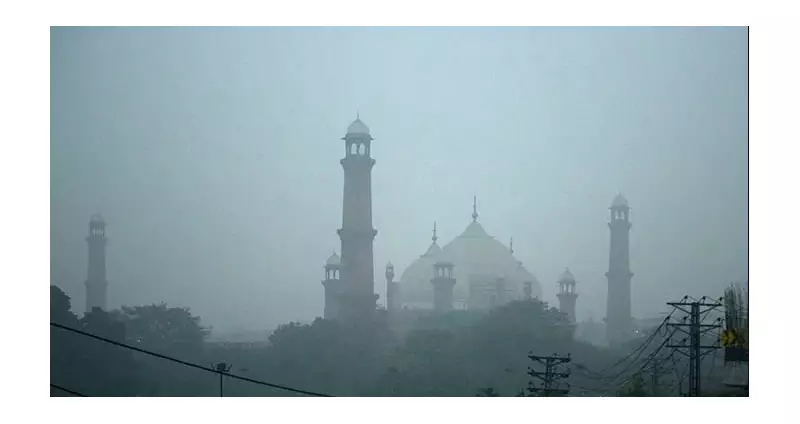
LAHORE - The historic city of Lahore has been engulfed in an environmental catastrophe, claiming the dubious distinction of being the world's most polluted city according to latest global air quality monitoring reports. The alarming development has triggered widespread health concerns and urgent calls for comprehensive action.
Environmental Emergency Unfolds
The Air Quality Index (AQI) readings in Lahore have reached hazardous levels, consistently exceeding 400 and sometimes soaring beyond 500 - a measurement that falls into the 'severe plus' emergency category. Medical experts warn that exposure to such polluted air poses immediate and long-term health risks to the city's millions of residents.
Health Crisis Looms Large
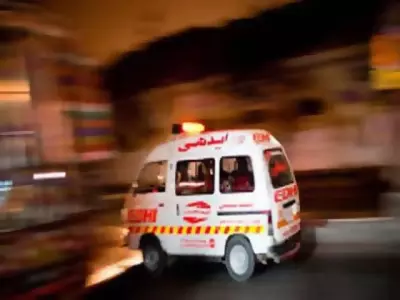
Hospitals across Lahore are reporting a significant surge in patients complaining of respiratory distress, eye irritation, and throat infections. The most vulnerable populations - including children, elderly citizens, and those with pre-existing health conditions - are facing the gravest threats from the toxic air.

"We're witnessing an unprecedented public health emergency," stated Dr. Ayesha Rahman, a prominent pulmonologist. "The particulate matter concentration is so high that even short-term exposure can trigger severe asthma attacks and cardiovascular complications."
Government Spring into Action
In response to the escalating crisis, Punjab's provincial government has implemented several emergency measures:
- Immediate closure of educational institutions for two days
- Restrictions on industrial operations in heavily affected zones
- Implementation of smart lockdowns in high-pollution areas
- Deployment of water sprinklers to settle dust particles
Root Causes and Contributing Factors
Environmental analysts point to multiple factors driving Lahore's pollution crisis:
- Vehicle emissions from poorly maintained transport
- Industrial pollution from uncontrolled manufacturing units
- Crop burning in surrounding agricultural areas
- Construction dust from rapid urban development
- Meteorological conditions trapping pollutants
Comparative Global Context
Lahore's air quality has deteriorated to levels significantly worse than other notoriously polluted cities like Delhi, Beijing, and Dhaka. The city's geographical location and weather patterns have created a perfect storm for pollution accumulation, with temperature inversions preventing the dispersal of harmful particles.
Environmental activists are demanding long-term solutions rather than temporary fixes. "We need sustainable policies addressing transportation, industrial regulations, and urban planning," emphasized environmental lawyer Ahmed Hassan.
Protective Measures for Citizens
Health authorities recommend that Lahoris:
- Avoid outdoor activities, especially during morning and evening hours
- Wear N95 masks when venturing outside
- Use air purifiers in homes and workplaces
- Stay hydrated and monitor respiratory symptoms
- Seek immediate medical attention for breathing difficulties
As Lahore grapples with this environmental nightmare, the question remains whether this crisis will serve as a wake-up call for comprehensive environmental reforms or become an annual recurrence threatening public health and quality of life.