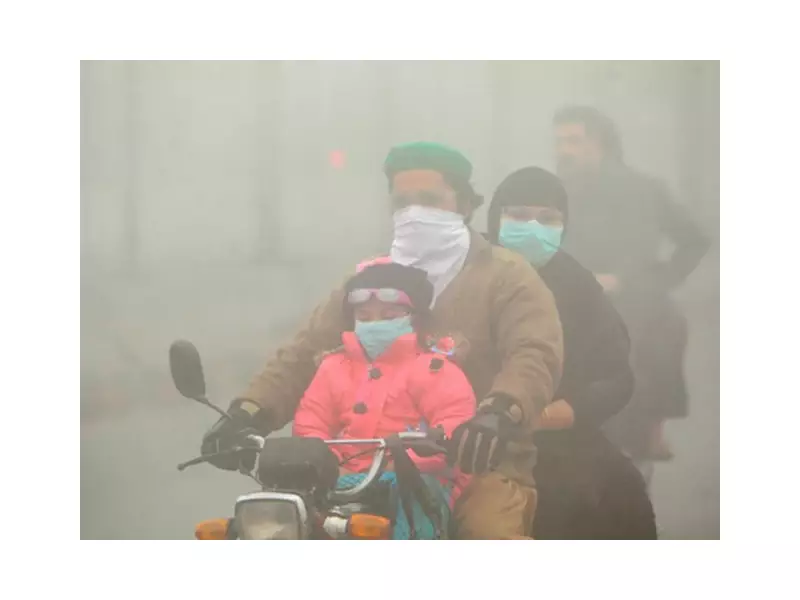
Lahore has once again secured the dubious distinction of being the planet's most polluted city. On Monday, the metropolis was enveloped in a thick blanket of smog, with its air quality index (AQI) reaching a hazardous average of 288.
A Familiar Yet Dangerous Position
According to data from the global air quality monitoring platform IQAir, Lahore's air was classified as "very unhealthy." This ranking placed it at the very top of the list for poor air quality worldwide for that day. The city's particulate matter (PM2.5) concentration was found to be a staggering 40.2 times higher than the World Health Organization's (WHO) annual air quality guideline value. This recurring crisis highlights a persistent environmental and public health emergency for its millions of residents.
Regional Smog Crisis and Health Warnings
The toxic haze was not confined to Lahore alone. Several other major urban centers across Punjab province, including Faisalabad and Karachi, also recorded dangerously high pollution levels, creating a widespread regional smog event. Health experts and authorities have issued urgent advisories, urging citizens, especially the elderly, children, and those with respiratory conditions, to limit outdoor activities. Prolonged exposure to such polluted air can lead to serious health consequences, including aggravated asthma, lung damage, heart disease, and increased risk of stroke.

The situation has prompted calls for immediate and stringent measures. Environmentalists and civic groups are demanding more robust action from both provincial and federal authorities to tackle the root causes of the smog, which typically include:
- Vehicular emissions from outdated engines and poor fuel quality.
- Industrial pollution from uncontrolled emissions.
- Crop residue burning (stubble burning) in neighboring agricultural areas.
- Construction and dust from infrastructure projects.
The Urgent Need for Sustainable Solutions
Merely declaring smog emergencies and issuing health advisories is no longer seen as sufficient. There is a growing public demand for the implementation of long-term, sustainable policies. These could involve transitioning to cleaner public transport, enforcing stricter industrial emission standards, promoting alternatives to crop burning, and increasing urban green cover. The repeated topping of global pollution charts serves as a stark reminder that the window for effective action is closing, and the health of Lahore's citizens hangs in the balance.
Until comprehensive and enforced strategies are put in place, the people of Lahore and surrounding regions are likely to face this debilitating environmental challenge every winter, with their quality of life and well-being paying the ultimate price.