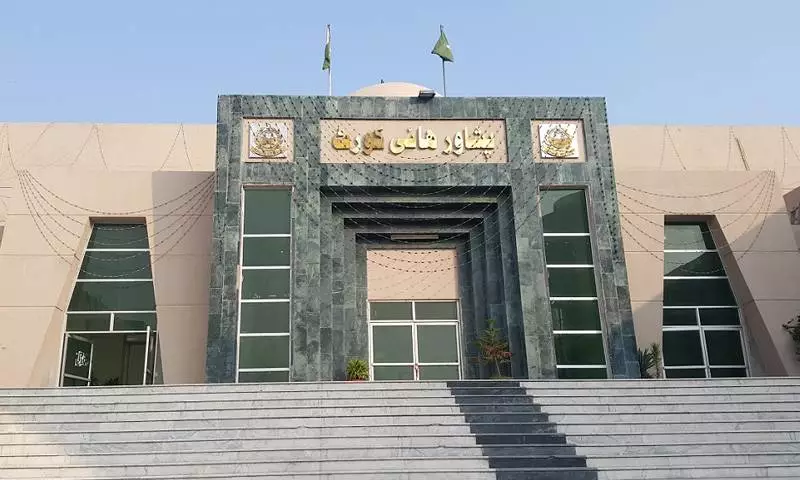
In a significant judicial intervention, the Peshawar High Court has imposed a comprehensive ban on political gatherings and rallies at government educational institutions throughout Khyber Pakhtunkhwa province. The landmark ruling aims to protect academic environments from political disruptions that have frequently compromised educational activities.
Court's Directive and Rationale
The Peshawar High Court issued this decisive order while hearing a petition that highlighted the persistent disruption caused by political activities within educational premises. The court explicitly prohibited all political parties from organizing gatherings, rallies, or any form of political activities at government educational institutions across the province.
This judicial intervention comes in response to growing concerns about the negative impact of political activities on the academic calendar and learning environment. Educational institutions have frequently been used as venues for political mobilization, leading to suspension of classes and compromising the educational rights of students.

Immediate Implementation and Enforcement
The court order mandates immediate implementation, requiring all relevant authorities to ensure strict compliance. District administrations and educational authorities have been directed to enforce the ban effectively and prevent any violations by political groups or individuals.
This ruling represents a significant shift in how political activities are conducted in KPK, particularly affecting parties that have traditionally relied on educational institutions as gathering points. The court emphasized that educational institutions must remain dedicated solely to academic purposes and should not be utilized for political mobilization under any circumstances.
Broader Implications for Political Landscape
The ban is expected to have far-reaching consequences for political operations in the province. Political parties will now need to identify alternative venues for their gatherings and rallies, moving away from the convenient accessibility that educational institutions previously provided.
This decision aligns with ongoing efforts to depoliticize educational environments and ensure that students' right to education remains uncompromised. The court's firm stance underscores the judiciary's commitment to protecting educational spaces from external disruptions that hinder academic progress and institutional functionality.
Legal experts anticipate that this ruling could set a precedent for other provinces to follow, potentially leading to similar restrictions on political activities in educational institutions nationwide. The decision has been welcomed by educational authorities and parent groups who have long advocated for keeping politics separate from academic environments.