In a significant development for regional stability, the Khyber Pakhtunkhwa government has unanimously approved a groundbreaking peace framework that promises to reshape the security landscape of the province.
Historic Consensus Reached
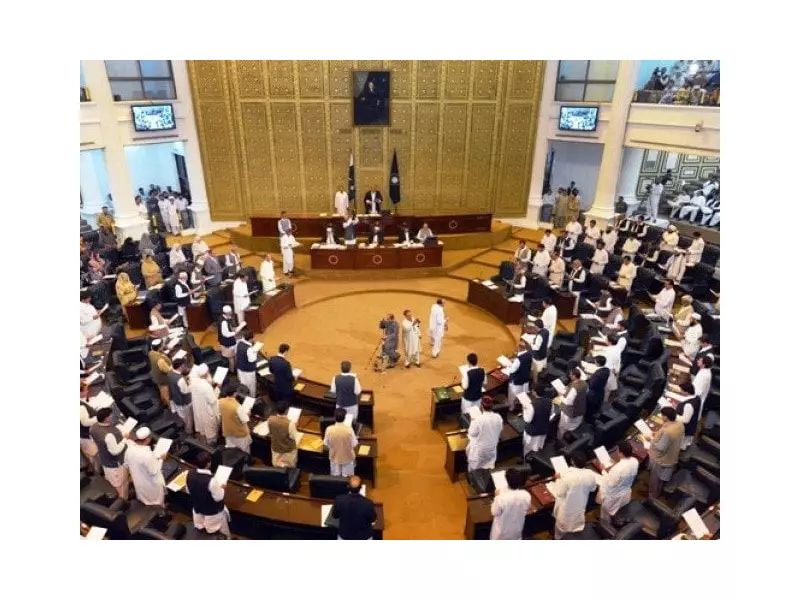
During a crucial cabinet session chaired by Chief Minister Ali Amin Gandapur, provincial leaders put aside political differences to endorse a comprehensive roadmap aimed at achieving lasting peace. The agreement represents one of the most substantial peace initiatives in recent years, with all political factions demonstrating rare unity in addressing security challenges.
Multi-Faceted Security Strategy
The newly adopted framework introduces a sophisticated, multi-layered approach to peacebuilding that includes:

- Enhanced coordination between civil administration and security forces
- Community engagement programs to foster local ownership of peace processes
- Economic development initiatives in conflict-affected regions
- Rehabilitation and reintegration mechanisms for affected populations
Cross-Party Support Signals Strong Commitment
What makes this peace accord particularly noteworthy is the unprecedented cross-party support it has garnered. Representatives from across the political spectrum have endorsed the framework, indicating a shared recognition of the urgent need for sustainable peace in the region.
"This isn't just another government policy—it's a collective commitment from all political forces in Khyber Pakhtunkhwa," noted a senior official familiar with the negotiations.
Implementation Timeline and Monitoring
The provincial government has established clear implementation milestones and monitoring mechanisms to ensure the peace framework translates from paper to practice. Regular progress reviews and community feedback systems will form the backbone of the accountability structure.
This landmark decision comes at a critical juncture for Khyber Pakhtunkhwa and sets a powerful precedent for conflict resolution approaches throughout Pakistan. The successful implementation of this framework could serve as a model for other regions facing similar security challenges.