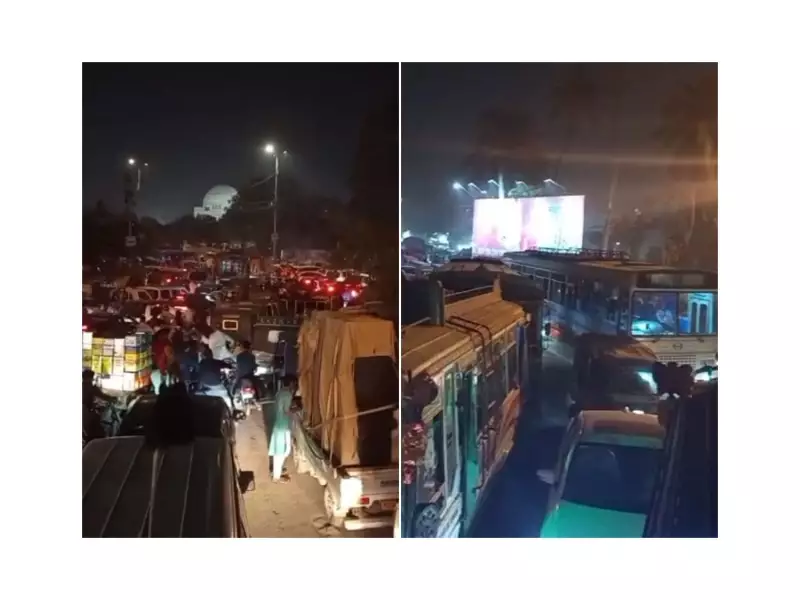
Chaos erupted at one of Karachi's busiest intersections on Thursday as a massive traffic gridlock brought Numaish Chowrangi to a complete standstill, leaving thousands of commuters stranded for hours in what many are calling the worst traffic nightmare of the year.
Commuters Face Hours-Long Ordeal
The traffic paralysis began during peak evening hours and rapidly escalated, trapping vehicles from all directions. Frustrated motorists and public transport users found themselves stuck in an seemingly endless queue of stationary vehicles, with many abandoning their cars and opting to walk home.
"I've been stuck here for over three hours," said Muhammad Ali, a distressed commuter speaking to our correspondent from his immobilized vehicle. "This is becoming a daily torture for Karachiites. The authorities need to find a permanent solution."

Multiple Factors Behind the Gridlock
According to traffic officials and eyewitness accounts, several factors contributed to the catastrophic traffic situation:
- Ongoing construction work in the surrounding areas
- Poor traffic management during peak hours
- Increased vehicular volume due to ongoing commercial activities
- Inadequate alternative routes for diverted traffic
Emergency Response and Public Outcry
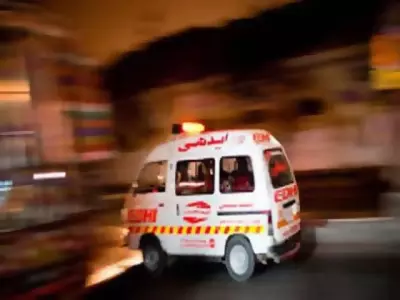
As the situation worsened, traffic police struggled to restore order, but their efforts proved insufficient against the scale of the congestion. The gridlock affected not only private vehicles but also public transport, emergency services, and commercial deliveries.
"This is unacceptable," stated Ayesha Khan, a school teacher who had to walk several kilometers to reach home. "We pay taxes, we follow rules, but we get this in return. The city's infrastructure is collapsing before our eyes."
Growing Demands for Infrastructure Solutions
The incident has reignited calls for comprehensive urban planning and infrastructure development in Pakistan's largest metropolitan city. Urban experts emphasize that temporary measures are no longer sufficient to address Karachi's growing transportation crisis.
As night fell, the traffic gradually began to ease, but the frustration among Karachi's residents continues to build, with many demanding immediate and effective solutions from city authorities to prevent such situations from becoming a regular occurrence.