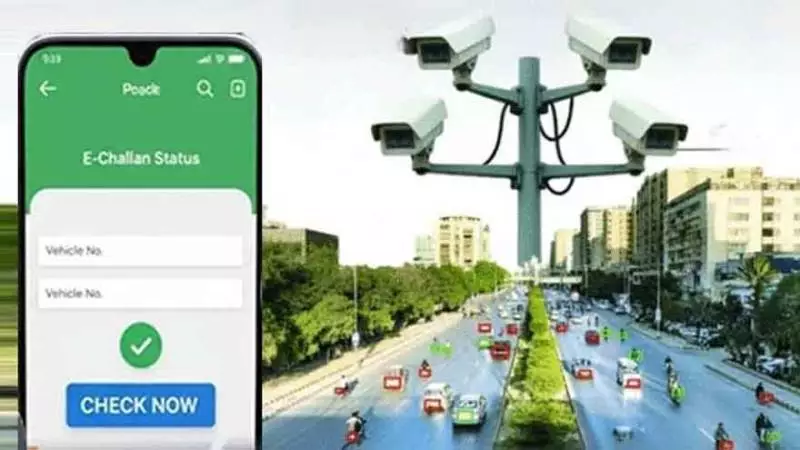
In a significant move to enforce traffic discipline, the Karachi Metropolitan Corporation (KMC) has issued strict orders to its officers and employees following the city's adoption of the e-challan system. The directive mandates that all KMC personnel must rigorously obey traffic laws, with a notable shift making officials personally liable for fines incurred.
Personal Accountability for Traffic Violations
The core of the new policy is a clear message: KMC officials will be personally responsible for paying any traffic fines, including e-challans issued against official vehicles. This removes any ambiguity or potential for using public funds to settle penalties for traffic infractions. The decision is a direct instruction from the Sindh government, aiming to instill a sense of accountability and set a public example.
Specific Rules and Prohibitions
The KMC has laid out explicit rules for its staff while driving government vehicles. Officers are now required to wear seat belts at all times and are strictly prohibited from using mobile phones during driving. Furthermore, the use of tinted windows on official cars has been banned.

Additional driving misconduct has been expressly forbidden. This includes:
- Overspeeding using official vehicles.
- Altering or tampering with vehicle number plates, which will trigger disciplinary action.
- Driving on wrong routes.
- Failing to wear helmets where applicable.
A Push for Road Safety and Official Discipline
This comprehensive set of instructions is part of a broader initiative to promote road safety and ensure accountability among public officials. By holding its own employees to a high standard, the KMC and the Sindh government hope to encourage all citizens in Karachi to adhere to traffic regulations. The integration of the e-challan system provides a transparent and efficient mechanism to enforce these rules without exception.
The move signals a shift towards greater responsibility, expecting those in public service to lead by example in following the law. It underscores the government's intent to leverage technology, like the e-challan system, to improve urban governance and public safety in Pakistan's largest metropolis.