A sudden and deadly build-up of poisonous gas in a Shangla coal mine has left six individuals fighting for their lives, casting a harsh spotlight on the perilous conditions endured by miners in the region.
Details of the Charsadda-Cherat Mine Incident
The accident occurred at the Khan Parvez Coal Lease, Shakot No. 2, Nagman Mine No. 1, located within the Charsadda–Cherat coalfields. According to reports, a lethal concentration of toxic gas rapidly filled the underground tunnels, trapping the workers. In a brave display of solidarity, fellow miners risked their own safety to rescue the unconscious men and bring them to the surface.
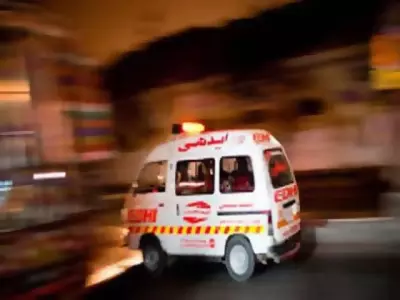
The injured were immediately given first aid at the site under the supervision of the Labour Union Coal Mines Cherat. Due to the severity of their condition, all six victims were then urgently transferred to the Burn Centre at Hayatabad, Peshawar. Medical professionals at the facility have described the state of several miners as critical.

Victims and a Pattern of Neglect
The five injured coal miners have been identified as Hakim Khan, Ayaz Khan, Ghani Rehman, Shahozair, and Abdul Baasith. All are residents of Kanshal Olander, Tehsil Alpuri, Shangla. The sixth victim, mine supervisor Wazir Bacha, also hails from Tehsil Alpuri.
Tragically, this incident occurred just one day after another young miner from Shangla lost his life in a separate gas-related accident. Local sources and labour leaders point to a routine pattern of fatal mining incidents, blaming chronic negligence for the repeated loss of life. They revealed that the mine where this latest leak happened lacked a functioning gas alarm system, and workers were not provided with basic safety gear like oxygen masks or gas detectors.
A Humanitarian Crisis in Shangla's Mining Communities
Labour unions and social activists assert that coal mining in Shangla has escalated into a full-blown humanitarian crisis. An unofficial social survey presents staggering figures:
- Over 11,000 residents have been permanently disabled due to mining accidents.
- More than 65 percent of the district’s population depends directly or indirectly on coal mining for survival.
Activists further highlight systemic failures, noting that most miners remain unregistered and are consequently denied fundamental rights and protections. These include:
- Pensions and health coverage
- Life insurance
- Rehabilitation support for the injured
In response to the ongoing tragedy, they have issued a series of urgent demands:
- Strict enforcement of existing mine safety laws.
- Mandatory registration and insurance for all miners.
- Comprehensive rehabilitation programs for injured workers.
- Permanent financial assistance for the families of deceased miners.
The warning from the community is stark: without immediate and decisive intervention, the youth of Shangla will continue to descend into the coal mines, only to return severely injured, or not return at all.