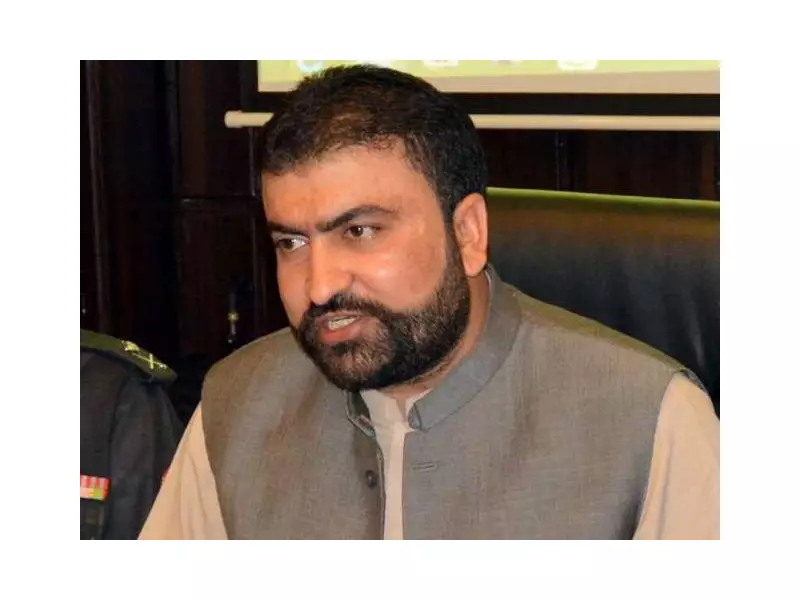
In a significant event blending modern politics with deep-rooted tribal tradition, Balochistan's Chief Minister Mir Sarfraz Bugti was formally installed as the new chief of the influential Bugti tribe. The ceremony, rich in cultural symbolism, took place in Baikar on Friday, December 29, marking a pivotal moment for both the leader and the community.
A Traditional Coronation with Modern Significance
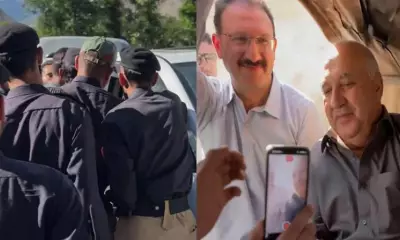
The installation rite saw tribal elders conferring leadership upon Sarfraz Bugti by placing the traditional turban, or 'dastar', on his head. This act is a centuries-old symbol of authority, trust, and immense responsibility within Baloch tribal structure. The event was not just a tribal gathering but also a notable political congregation.
The ceremony was attended by a host of provincial and national assembly members, several ministers from the Balochistan cabinet, and a large number of tribal notables and elders. Their presence underscored the dual significance of Bugti's new role—as both a traditional leader of his people and the sitting chief executive of the province.

Bugti's Pledge: A Turban of Trust and Duty
Addressing the assembled dignitaries and tribespeople, Chief Minister Bugti reflected on the weight of the honour bestowed upon him. He described the tribal turban not merely as an article of clothing but as a sacred trust. This trust, he emphasized, demands unwavering commitment to core principles.
"The honour carries great responsibility," Bugti stated, outlining the expectations embedded in the leadership role. He pledged to serve the Bugti people with honesty and commitment, vowing not to disappoint his community. His speech highlighted the values he intends to uphold: justice, courage, unity, and sincerity in all his actions as the tribe's chief.
Implications for Leadership and Balochistan
This formal assumption of tribal leadership consolidates Mir Sarfraz Bugti's position within the complex socio-political fabric of Balochistan. It strengthens his mandate and connects his constitutional role as Chief Minister directly with the traditional power structures of the region. The move is seen as a step that could enhance his ability to address tribal concerns and foster unity.
The dual identity—as an elected political head and a traditionally appointed tribal chief—places Bugti at a unique intersection. It comes with the challenge of balancing modern governance with traditional obligations. His success will depend on delivering the justice and sincere service he promised, navigating the expectations of both the provincial populace and the Bugti tribe.
The ceremony in Baikar on December 29 thus marks more than a ritual; it signifies a renewed covenant between a leader and his people, setting a course for his tenure under the watchful eyes of both the state and the tribe.