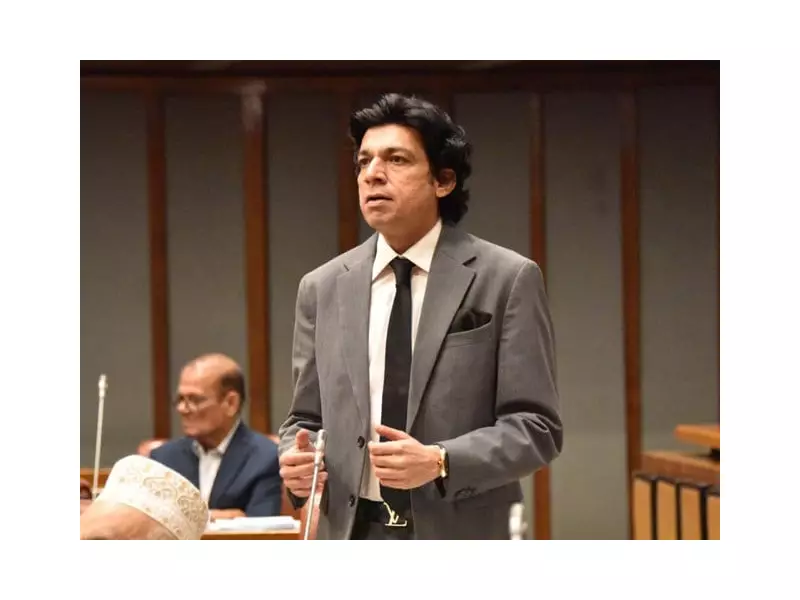
In a significant political development, former senator and politician Faisal Vawda has publicly stated that holding political meetings with incarcerated Pakistan Tehreek-e-Insaf (PTI) founder Imran Khan is now an impossibility. This declaration throws cold water on any speculation about Khan's direct involvement in political negotiations or strategy sessions from behind bars.
The Legal and Constitutional Barrier
Vawda, speaking to the media in Islamabad, anchored his stance firmly on the prevailing legal and constitutional framework. He emphasized that the current circumstances, dictated by the law and the constitution, do not permit such political engagements with Khan. The PTI founder is currently imprisoned in Adiala Jail, and Vawda's comments highlight the practical and legal constraints this imposes on his political role.
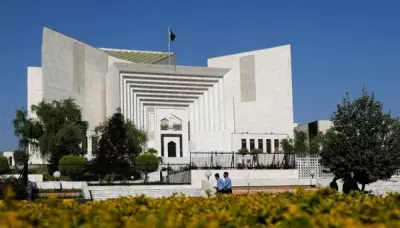
"I have said it before, and I will say it again," Vawda stated, addressing the media outside the Supreme Court. "Political meetings with Imran Khan are not possible." He elaborated that this isn't a matter of personal choice but a reality shaped by the existing legal environment. This position underscores a clear shift in how even former allies view Khan's operational capacity within the political arena.

A Call for PTI to Chart a New Course
Beyond stating the impossibility of meetings, Vawda's remarks carried a pointed message for the PTI party as a whole. He advised the party leadership and workers to cease clinging to the hope of Khan's direct political management. Instead, he urged them to look forward and navigate the political landscape independently.
"The party needs to understand that it must now stand on its own two feet," Vawda implied. His advice suggests a belief that PTI's future viability depends on its ability to function as an institution rather than remaining solely tethered to its charismatic founder. This is a crucial moment for PTI, which has historically revolved almost entirely around Khan's leadership.
Context and Political Repercussions
Vawda's statements come at a time of intense political maneuvering in Pakistan. Imran Khan, a central figure in the country's politics, faces a series of legal challenges and convictions. His imprisonment has created a significant power vacuum and strategic dilemma for PTI. Vawda, who has had a complex relationship with PTI, having been associated with it before his exit, is now framing the conversation around a post-Khan operational reality.
By publicly ruling out political meetings, Vawda is effectively setting a narrative that isolates Khan from day-to-day political proceedings. This could influence other political actors and institutions in their dealings with PTI, potentially pushing them to engage with the party's current leadership outside of jail rather than viewing Khan as the sole decision-maker.
The core takeaway from Vawda's intervention is stark: the era of Imran Khan conducting political business as usual is over, at least for the foreseeable future. His comments serve as a reality check for PTI loyalists and a signal to the broader political ecosystem. The ball is now in PTI's court to demonstrate whether it can evolve, reorganize, and present a cohesive front without the direct command of its founder, a challenge that will define its trajectory in the coming months.