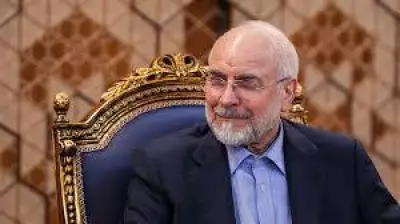
Senior political figure and Chairman of the Qaumi Watan Party (QWP), Aftab Ahmed Khan Sherpao, has delivered a scathing assessment of the Pakistan Tehreek-e-Insaf's (PTI) tenure in power. In a recent statement, he labeled the party's 14-year rule as a period of "misfortune" for the nation, sparking fresh debate in Pakistan's political landscape.
A Harsh Critique of Governance and Performance
Sherpao, a veteran politician with extensive experience, did not mince words in his criticism. He asserted that the country and its populace suffered significantly during PTI's time in government. His remarks pointed towards a perceived failure in addressing core national issues and delivering on promises made to the public.
The QWP leader extended his critique to the economic management under the previous administration. He highlighted the severe economic challenges that he believes were exacerbated during this period, contributing to the financial difficulties faced by ordinary citizens. Sherpao's comments come at a time when Pakistan continues to grapple with inflation and economic stabilization efforts.

Political Context and Broader Implications
This strong condemnation from Sherpao adds to the ongoing political discourse, where opposition parties are actively evaluating and challenging the legacy of the PTI government. His statement is seen as part of a broader political narrative shaping the run-up to future electoral contests and policy debates.
By characterizing the 14-year rule as a misfortune, Sherpao aims to solidify a particular historical perspective on PTI's governance. This perspective focuses on unfulfilled potential and policy shortcomings, which opposition alliances may leverage in their political campaigns.
Reactions and the Road Ahead
While Sherpao's comments represent the viewpoint of his party, they are likely to elicit strong reactions from PTI supporters and leaders. The debate over the performance of the previous government remains a central and divisive topic in Pakistani politics.
Analysts suggest that such statements will further polarize the political environment. They underscore the deep-seated disagreements between major political factions regarding the nation's recent past and its future direction. The focus on a 14-year period of governance provides a specific timeframe for critics to analyze and for defenders to justify.
As political parties position themselves, assessments like Sherpao's contribute to the public's understanding of recent history. They influence voter perception and set the stage for competing visions for Pakistan's development and governance in the years to come.