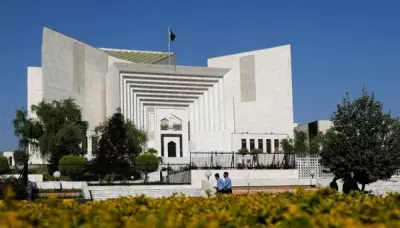
In a significant development that has sparked controversy, senior leaders of the Pakistan Tehreek-e-Insaf (PTI) were prevented from meeting the party's founder and former Prime Minister, Imran Khan, at Adiala Jail in Rawalpindi. The incident occurred on Tuesday, December 31, 2024, and involved prominent figures including the party's Secretary General, Omar Ayub, and senior leader Shibli Faraz.
Jail Authorities Block Entry of Political Delegation
The PTI leaders arrived at Adiala Jail with the intention of meeting Imran Khan, who is currently incarcerated there. However, the jail administration, citing "security reasons" and "lack of prior permission," refused to allow the delegation entry. This action has been strongly condemned by the party, which views it as a deliberate attempt to isolate their leader and hinder political activities.
Omar Ayub, who also serves as the Leader of the Opposition in the National Assembly, addressed the media outside the jail premises. He expressed strong disapproval, stating that denying access to political leaders was a violation of fundamental rights. "This is not just about meeting our chairman; it is about the basic democratic right to consult with one's political leadership," Ayub asserted. He emphasized that such moves create a concerning environment for political engagement in the country.

Legal and Political Repercussions of the Denial
The refusal has ignited a fresh debate on the legal provisions governing prisoner visits. While jail regulations require formal requests for meetings, exceptions are often made for family and legal counsel. The PTI argues that as the head of a major political party, Imran Khan's ability to consult with his senior aides is crucial, especially concerning ongoing legal battles and party strategy.
Shibli Faraz highlighted the perceived inconsistency in the application of rules, suggesting a pattern of obstruction. The party has indicated it may pursue legal and parliamentary avenues to challenge what it calls the "illegal confinement" and restricted access to Imran Khan. This incident is seen as part of a broader series of confrontations between the PTI and state institutions following the events of May 9, 2023.
Wider Implications for Pakistan's Political Landscape
This event is likely to have several immediate consequences:
- Increased Political Tension: The PTI is expected to use this denial as a rallying point, potentially organizing protests or raising the issue forcefully in Parliament.
- Scrutiny of Prison Regulations: Questions will be raised about the transparency and fairness of jail visit protocols for high-profile political prisoners.
- International Attention: Human rights and democracy watchdogs may view this as a case of limiting political freedoms, affecting Pakistan's global image.
The standoff at Adiala Jail underscores the deep and ongoing political divisions within Pakistan. It reflects the challenges faced by the PTI in operating while its central leader remains behind bars. The party's ability to mobilize public sentiment and legal recourse in response to this access denial will be a key test of its current political strength. As the situation develops, all eyes remain on Rawalpindi and the legal proceedings surrounding Imran Khan's numerous cases.