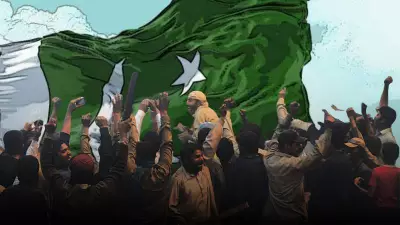
Iran is currently navigating a period of heightened internal tension, with public demonstrations fueled by rising inflation and economic hardship breaking out in various regions. However, a significant and potentially dangerous gap is becoming apparent between the actual situation within the country, how it is being depicted by major Western media outlets, and the sweeping conclusions being drawn from these reports.
The Disconnect Between Ground Reality and Media Portrayal
While protests driven by genuine economic pressures have occurred, their scale and intensity, according to many observers, remain limited. Despite this, a dominant narrative in sections of the Western press has aggressively promoted the idea that Iran's population is poised to overthrow its government. This breathless insistence on imminent regime collapse often lacks nuanced analysis.
What makes this trend particularly notable is the alignment of many voices pushing this narrative with long-standing Israeli and broader Western strategic interests in the region. Several commentators now highlighting Iran's unrest have a track record of advancing similar claims to justify confrontation in other nations, including Venezuela, and promoting narratives supporting the war in Ukraine.

A Pattern of Destabilization and Selective Amplification
This media phenomenon does not exist in a vacuum. Iran's recent direct conflict with Israel exposed the extent of infiltration by foreign intelligence networks and saboteurs. For years, the Islamic Republic has been a target for destabilization campaigns, ranging from targeted assassinations of officials to attacks on critical national infrastructure. The ultimate goal of these efforts is to weaken or topple a government viewed as a principal regional adversary by Israel.
In this context, the selective amplification of facts to support a predetermined conclusion—that Iran is on the brink—renders the overall picture opaque rather than clear. The problem intensifies when such narratives gain traction despite the protests' limited scope, raising legitimate questions about whether the scale and tone of coverage are designed less to inform and more to influence the trajectory of events.
Entering a More Dangerous Phase
The situation is escalating, with emerging reports of injuries and casualties in some protest areas. This pattern risks entering a more volatile and dangerous phase. It is crucial to recognize that acknowledging the orchestrated nature of some media campaigns does not negate the real economic grievances and public frustration felt by many Iranians. The country faces authentic challenges.
However, this analysis underscores a critical point for a global audience, including in Pakistan: information emanating from certain Western media outlets regarding Iran should be consumed with extreme caution. The narrative being woven often serves interests far removed from the daily struggles of ordinary Iranians, turning complex domestic issues into a geopolitical football.
The key takeaway is the importance of critical media consumption. As tensions persist, distinguishing between genuine grassroots discontent and externally fueled propaganda becomes not just an academic exercise, but a necessity for understanding a volatile situation that impacts the entire region.