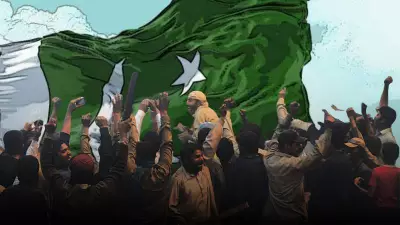
Protests across Iran have escalated into deadly confrontations, with official figures confirming at least eight fatalities, including members of the security forces. The unrest, now in its seventh day, has spread to more than two dozen cities, evolving from economic grievances into broader political demonstrations.
Violence Claims Lives of Protesters and Security Forces
The first deaths were reported on Thursday as demonstrators clashed with authorities. The toll includes both civilians and members of Iran's security services. On Saturday, the situation turned more grave with the death of a paramilitary force member. The Mehr news agency, citing the Revolutionary Guards, reported that Ali Azizi, a member of the Basij volunteer force, was "martyred after being stabbed and shot" in the city of Harsin, located in Iran's west. The Basij is a volunteer militia overseen by the ideological arm of Iran's military.
In a separate incident, the Tasnim news agency reported another death on Friday in the holy city of Qom, south of Tehran. A local official stated a man was killed when a grenade he was attempting to use exploded "in his hands."

Protests Spread from Economic Grievances to Political Demands
The wave of demonstrations began last Sunday, initially fueled by public anger over soaring prices and a stagnating economy in the sanctions-hit nation. However, the scope of the protests has rapidly expanded. What started as economic discontent has now grown to include explicit political demands, marking a significant shift in the nature of the unrest.
According to a tally by AFP based on local media reports, protests of varying sizes have been witnessed in at least 25 cities. The unrest has been most concentrated in mid-sized urban centers in Iran's west and southwest, where reports of clashes and acts of vandalism have emerged.
Khamenei's Response: Acknowledge Grievances, Threaten Rioters
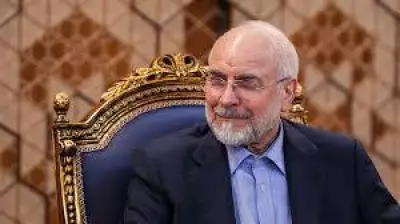
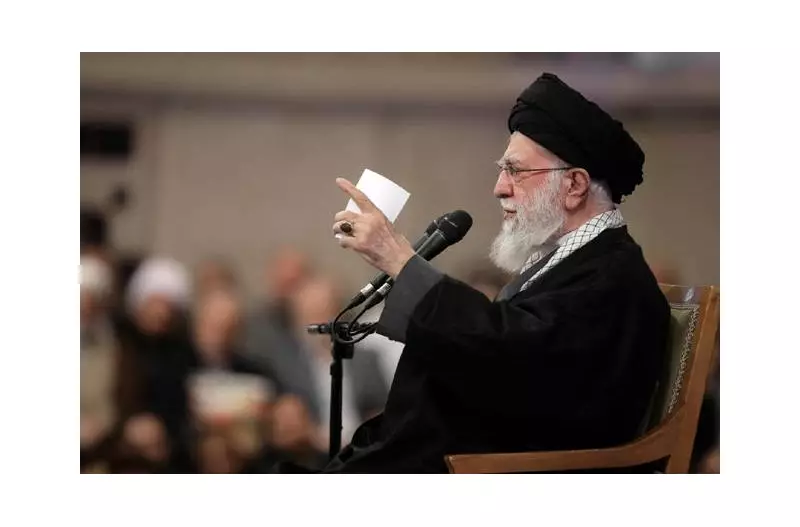
Iran's Supreme Leader, Ayatollah Ali Khamenei, directly addressed the protests on Saturday. In a speech marking a Shiite holiday, he acknowledged the legitimacy of some economic complaints. "The shopkeepers have protested against this situation and that is completely fair," Khamenei stated, adding that the president and other officials were working to resolve the country's economic difficulties.
However, the Supreme Leader drew a sharp distinction between peaceful protesters and those he labeled as rioters. He warned that while authorities should engage in dialogue with protesters, "it is useless to have dialogue with rioters. Those must be put in their place." This statement signals a firm stance against any further escalation of violence.
Media coverage of the events remains fragmented. While videos of protests flood social media platforms, their authenticity is often difficult to verify. Iranian state media, meanwhile, has largely downplayed the scale and intensity of the ongoing demonstrations.