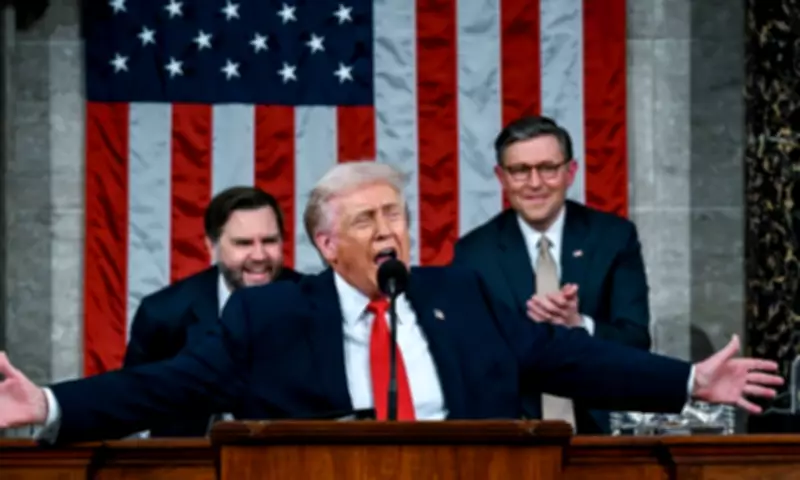
Trump's State of the Union Address: A Deep Dive into the SAVE Act and Election Rhetoric
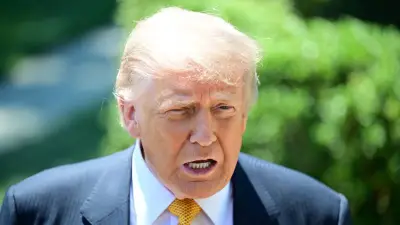
President Donald Trump delivered an exceptionally lengthy State of the Union speech, setting a new record at one hour and forty-eight minutes. Within this nearly two-hour address, a single line stood out as particularly significant, according to political analysts: his sharp criticism of Democrats for opposing the SAVE Act. This moment has sparked widespread discussion about election laws and partisan tensions in the United States.
Understanding the SAVE Act: Proposed Changes to US Elections
The SAVE Act, formally known as the Safeguard American Voter Eligibility Act, represents a major legislative proposal aimed at overhauling the US electoral system. If enacted, it would implement stricter voter identification requirements, mandate proof of citizenship for voter registration, and eliminate mail-in voter registration as a standalone option. Proponents argue these measures are necessary to ensure election security, while critics contend they could create substantial barriers to voting.
Trump's Accusations: Allegations of Democratic Cheating
During his speech, President Trump directly accused Democrats of attempting to cheat in elections, stating, "[The Democrats'] policy is so bad that the only way they can get elected is to cheat." He further emphasized, "We're going to stop it. We have to stop it." This rhetoric aligns with his long-standing claims about voter fraud, which he and the Republican Party have frequently cited as a justification for electoral reforms like the SAVE Act.

The Reality of Voter Fraud: Evidence and Context
Contrary to the assertions made by Trump and GOP leaders, extensive research and investigations have consistently shown that voter fraud is not a widespread issue in the United States. Numerous studies have found no evidence of systemic fraud that would justify the sweeping changes proposed by the SAVE Act. Instead, experts warn that the bill's requirements could disenfranchise vulnerable populations, including low-income individuals, minorities, and the elderly, by adding administrative hurdles to the voting process.
Broader Implications: Political Strategy and Democratic Norms
While the SAVE Act faces significant obstacles to passage, particularly in the Senate, its prominence in Trump's speech highlights deeper concerns. Analysts suggest that Trump's focus on this legislation reflects a strategic effort to frame election integrity as a central issue for his administration. Some commentators interpret his remarks as an indication that he views preventing opposition victories as a key policy goal, raising questions about the health of democratic institutions and norms.
The debate over the SAVE Act underscores ongoing tensions between security measures and accessibility in US elections. As political discourse intensifies, the impact of such proposals on voter participation and trust in the electoral system remains a critical topic for public discussion and policy analysis.