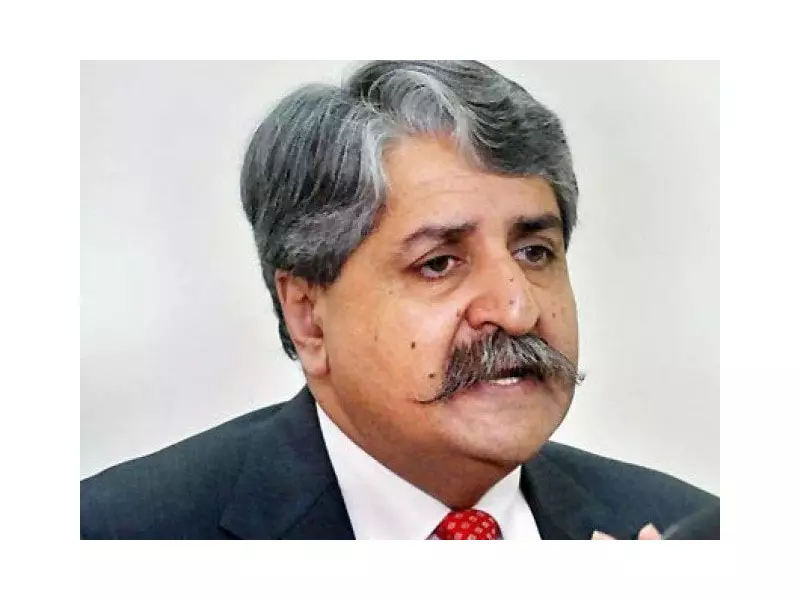
In a significant move that could reshape Pakistan's fiscal governance, members of parliament have launched a forceful campaign demanding constitutional oversight over the government's debt acquisition practices. Lawmakers are pushing for mandatory parliamentary ratification of all debt agreements, challenging the executive's current authority to borrow without legislative approval.
Constitutional Clash Over Financial Sovereignty
The parliamentary uprising comes amid growing concerns about Pakistan's escalating debt burden and the transparency of international loan agreements. Legislators argue that the current system allows the government to commit the nation to substantial financial obligations without adequate parliamentary scrutiny or public disclosure.
"The people's representatives have been systematically sidelined in critical financial decisions that will burden generations of Pakistanis," stated one senior parliamentarian during the heated session. "We cannot continue this pattern where debt agreements are treated as state secrets rather than matters of public interest."

Mounting Debt Crisis Demands Accountability
Pakistan's national debt has reached alarming levels, with recent figures showing the country's total obligations surpassing sustainable thresholds. The absence of parliamentary oversight has become increasingly controversial as the government continues to secure loans from international financial institutions and bilateral partners.
- Total public debt exceeding PKR 60 trillion
- Debt-to-GDP ratio reaching critical levels
- Multiple IMF programs without parliamentary review
- Bilateral loans from China, Saudi Arabia, and UAE
Transparency and Public Trust at Stake
The demand for parliamentary ratification represents more than just a procedural change—it's a fundamental question about democratic accountability in economic management. Supporters argue that requiring legislative approval would ensure proper debate about the terms, conditions, and implications of each borrowing arrangement.
"When future generations are burdened with repaying these loans, they deserve to know that their elected representatives thoroughly examined and approved the terms," emphasized another lawmaker. "Financial sovereignty cannot be compromised behind closed doors."
Government's Response and Way Forward
While the treasury benches have traditionally resisted such oversight measures, the growing parliamentary consensus suggests that change may be inevitable. The government now faces mounting pressure to either accept enhanced legislative scrutiny or provide compelling justification for maintaining the status quo.
The outcome of this constitutional showdown could determine whether Pakistan moves toward greater financial transparency or continues its current debt management approach. As the debate intensifies, all eyes remain on whether parliament will successfully reclaim its oversight role in the nation's fiscal affairs.