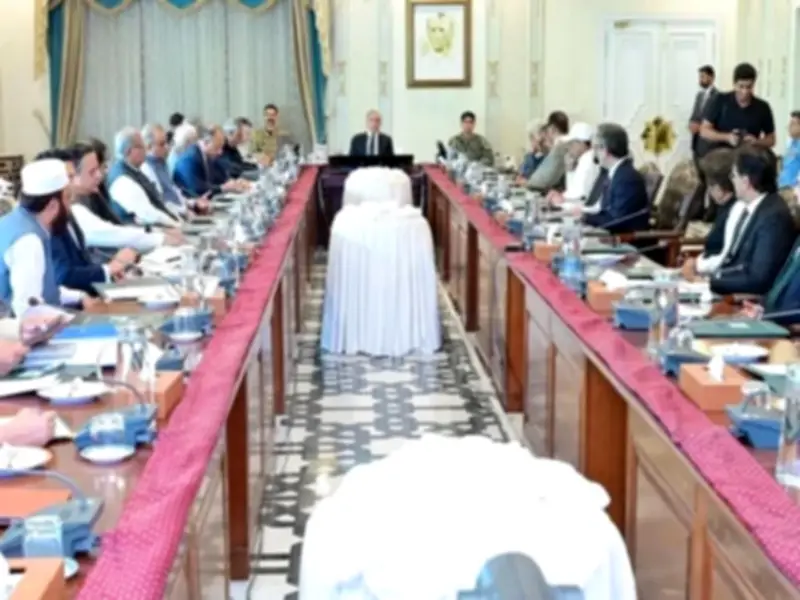
The federal cabinet, chaired by Prime Minister Shehbaz Sharif on Tuesday, approved Pakistan's first-ever four-year Hajj policy covering the period 2027-2030. The policy directs authorities to complete the digitisation of Hajj operations to ensure better facilities for pilgrims.
Key Features of the Long-Term Hajj Policy
The cabinet received a detailed briefing on the new policy, which aims to improve operations and provide enhanced services to pilgrims. Standard operating procedures and regulatory frameworks will be developed for implementation, with amendments to be made as needed to align with Saudi laws and regulations.
To ensure affordability, the cabinet approved a Shariah-compliant savings scheme, allowing aspiring pilgrims to save for future Hajj performance. Under the policy, pilgrims can register for Hajj in any year up to 2030, enabling the ministry to prepare a priority waiting list.

Digitisation and Complaint Management
The entire Hajj management system is being digitised to support online payment mechanisms. A complaint management and monitoring system will also be introduced. The cabinet allocated separate quotas for government and private Hajj schemes, including options for long and short stays.
The policy mandates training for pilgrims, takaful arrangements, and emergency response mechanisms. The cabinet directed authorities to appoint Hajj Moavineen on merit through a transparent mechanism and ensure third-party validation of both government and private Hajj operations.
The cabinet commended Minister for Religious Affairs Sardar Muhammad Yousaf and his team for successful management of this year's pilgrimage.
Healthcare Outsourcing and Railways Performance
The cabinet also approved a policy to outsource services at the Isolation Hospital and Infectious Treatment Centre and the Regional Blood Centre in Islamabad to improve healthcare access. The Ministry of National Health Services will implement the policy.
The cabinet was briefed on Pakistan Railways' performance, showing revenue rose from Rs95 billion in 2024-25 to over Rs115 billion in the last fiscal year, a 24.19% increase driven mainly by freight revenue. Freight revenue increased by more than Rs8 billion, other revenue by Rs7 billion, and property and land revenue by Rs6 billion. Passenger revenue grew by 3.37% during the same period. Significant progress was also made in freight cargo logistics.
Prime Minister's Remarks on Security and Foreign Engagements
Prime Minister Shehbaz Sharif reaffirmed the commitment to eradicating terrorism, praising security forces for their tireless efforts. He paid tribute to Pakistan Air Force Group Captain Asim Tariq, martyred while intervening to stop an assault on a woman in Islamabad. The prime minister said the accused had been arrested and would be brought to justice. He lauded the recent killing of 15 terrorists in Balochistan and offered Fateha for the martyrs.
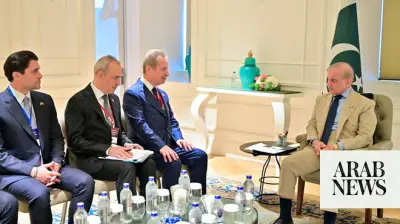
Highlighting his visit to Türkiye, the prime minister mentioned a comprehensive business conference on privatisation of power distribution companies, renewable energy, transmission losses, and investment in mines and minerals. Turkish investors expressed keen interest in Pakistan's economic potential, including maritime sector opportunities. He expressed confidence that the visit would strengthen bilateral economic cooperation and appreciated Turkish President Recep Tayyip Erdogan's support, stating both countries remain committed to deepening brotherly ties through enhanced trade, investment and strategic cooperation.