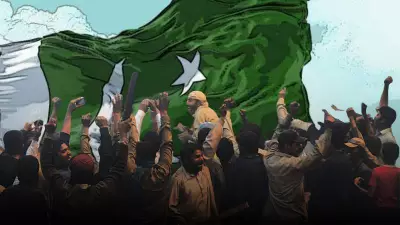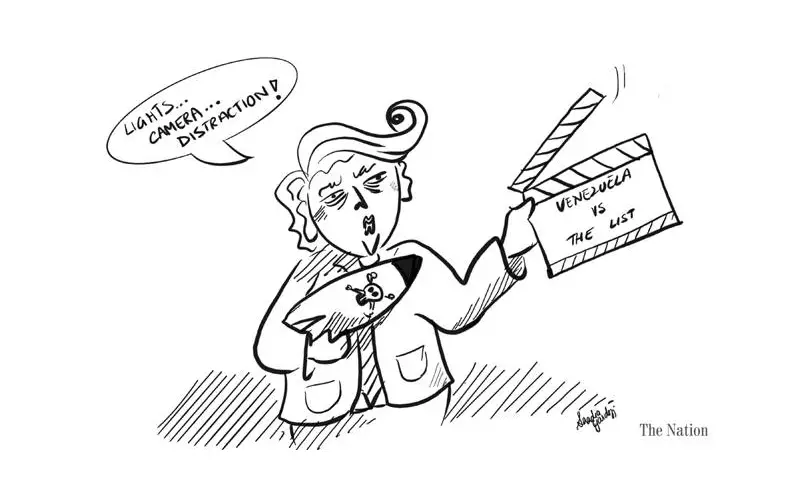
The editorial cartoon featured in the January 5, 2026, edition of The Nation newspaper has captured significant public and media attention, serving as a vivid commentary on the contemporary political and social landscape of Pakistan. As a longstanding tradition in Pakistani journalism, such cartoons distill complex issues into powerful, thought-provoking imagery, and this latest installment is no exception.
Analyzing the Visual Commentary
The cartoon, a staple of the publication's opinion section, employs classic satirical techniques to highlight pressing national issues. While the specific visual elements are subject to interpretation, editorial cartoons of this nature typically focus on themes of governance, economic challenges, foreign relations, or social dynamics. The artwork serves as a mirror, reflecting public sentiment and critique in a manner that is both accessible and impactful, often more immediately than lengthy written analyses.
By using symbolism and caricature, the cartoonist provides a unique lens through which readers can engage with current events. The choice of imagery for this particular date suggests a commentary on very recent developments, possibly related to political decisions, economic policies, or international diplomacy that were prominent in early January 2026. The power of such cartoons lies in their ability to transcend language barriers and spark conversation across a wide audience.

The Role of Satire in Pakistani Media
Editorial cartoons hold a significant place in Pakistan's media history, offering a form of protected speech that can critique authority and societal norms. Publications like The Nation have utilized this format for decades to contribute to democratic discourse. These cartoons are not merely illustrations; they are a form of journalistic argument and social observation, crafted to provoke thought, challenge perspectives, and sometimes offer comic relief amidst serious news cycles.
The publication of this cartoon on the specified date places it within a specific temporal context, allowing it to respond to the news cycle of that very week. This immediacy is key to its relevance. Readers often turn to the editorial cartoon as a summary or a poignant take on the week's most important stories, making it a cultural barometer for the nation's mood and concerns.
Public Reception and Broader Implications
The discussion generated by the cartoon extends beyond the page of the newspaper. In the digital age, such content is widely shared on social media platforms, amplifying its reach and enabling a broader, more interactive public debate. Different segments of society may interpret the satire in varied ways, leading to a multifaceted public conversation about the issues it represents.
This ongoing engagement demonstrates the enduring importance of editorial cartoons in shaping public opinion and fostering a critical citizenry. They act as a catalyst for dialogue, encouraging people to think deeply about leadership, policy consequences, and national direction. The conversation sparked by The Nation's cartoon on January 5, 2026, is a testament to the vibrant and sometimes contentious nature of public discourse in Pakistan, where media continues to play a crucial role in informing and challenging its audience.
Ultimately, the cartoon stands as more than just a drawing; it is a historical snapshot, a piece of cultural commentary, and an invitation for every citizen to reflect on the state of the nation at a particular moment in time.