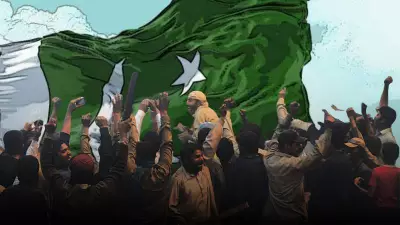
Supporters of Pakistan Tehreek-e-Insaf (PTI) staged a significant demonstration outside the Islamabad High Court (IHC) on Tuesday, voicing strong demands for the expeditious hearing of cases involving the party's founder and former prime minister, Imran Khan.
Protesters Gather, Demand Swift Justice
The protest, organized by PTI workers, saw a considerable gathering of party activists and sympathizers. The core grievance driving the demonstration was the perceived inordinate delay in court proceedings related to multiple cases filed against Imran Khan. Protesters carried placards and chanted slogans, calling upon the judiciary to ensure timely justice and a swift conclusion to the ongoing legal battles.
The protest was specifically timed to coincide with the court's working hours, aiming to draw the attention of the judges and the legal community to their demands. Participants emphasized that delays in the judicial process not only affect the accused but also undermine public confidence in the justice system.

Legal Context and Political Implications
Imran Khan, a central figure in Pakistani politics, is currently entangled in a web of legal challenges following his removal from office. These cases span allegations ranging from corruption to the controversial cipher case. The deliberate pace of these hearings has become a focal point for PTI's political narrative, which often frames it as a tactic to sideline the popular leader and his party from the political arena.
The protest outside the IHC is not an isolated event but part of a broader strategy by PTI to mobilize public opinion and apply pressure on state institutions. The party has consistently alleged that its leadership is being targeted through politically motivated cases and that procedural delays are a form of political persecution. This demonstration serves to keep the issue in the public eye and rally the party's support base.
Reactions and the Path Forward
While the protest remained largely peaceful, it underscored the heightened political tensions and the deep-seated frustrations within a major political faction. The event highlights the ongoing tussle between the judiciary's independent timeline and the political urgency demanded by parties involved in high-stakes litigation.
The call for speedy trials touches upon a fundamental right enshrined in the constitution. Analysts suggest that prolonged delays in high-profile cases can have destabilizing effects on the political climate. The protest outside the IHC brings the debate over judicial efficiency and access to justice squarely into the public domain, challenging the courts to address concerns about their calendar and case management.
As the legal proceedings continue, all eyes will be on the Islamabad High Court's schedule. The protest has successfully amplified PTI's message, ensuring that the issue of case delays remains a contentious and widely discussed topic in Pakistan's current political discourse. The coming weeks will be crucial in determining whether this public pressure translates into any tangible change in the pace of the hearings.