Prime Minister Directs Major Overhaul of Pakistan Railways
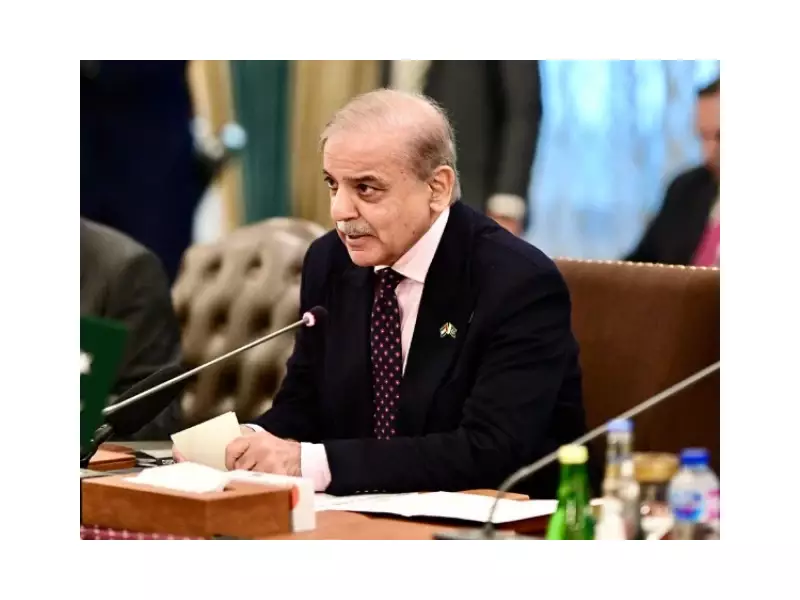
Prime Minister Shehbaz Sharif has issued directives to engage international-standard legal and economic experts for major regional and cross-border railway projects during a high-level review meeting at the PM House on Saturday. The premier emphasized that railway systems serve as the economic backbone and communication lifeline for any country, pushing for accelerated reforms across the sector.
Chairing the detailed review session, PM Shehbaz stressed the importance of digital transformation, public-private partnerships, and comprehensive reforms to revitalize the national railway network. He specifically acknowledged the efforts of Federal Railways Minister Hanif Abbasi and his team for their work on restoring and upgrading Pakistan Railways.
Digital Transformation Initiatives Gain Momentum
The meeting received comprehensive updates on the ongoing digitalization efforts transforming Pakistan Railways. Officials revealed that seven digital portals under the 'Rabta' initiative are now fully operational, with significant progress already achieved. Currently, 56 trains have been integrated onto the digital platform while 54 stations have completed their digital transformation.

Passenger facilities are seeing substantial improvements with free Wi-Fi services now available at Karachi, Lahore, Rawalpindi, and Faisalabad stations. The railway administration plans to extend this service to 48 additional stations by December 31 this year. In a major technological upgrade, 148 AI-powered surveillance cameras have been installed at Rawalpindi station to enhance security measures.
The digital revolution extends to freight services with the launch of an online booking system and the pilot implementation of a digital weighing bridge at Karachi City Station. This initiative will soon expand to Pipri, Karachi Cantonment, Port Qasim, Lahore, and Rawalpindi, streamlining cargo operations nationwide.
Privatization and Revenue Generation Initiatives
The government is aggressively pursuing outsourcing strategies to improve efficiency and generate substantial revenue. Officials informed the meeting that four trains have already been outsourced, with advertisements published for outsourcing eleven additional trains. This initiative is expected to generate an additional Rs8.5 billion in revenue for the national exchequer.
Similarly, forty luggage and brake vans have been outsourced, projected to bring in Rs820 million, while the outsourcing process for two cargo express trains is underway and expected to yield Rs6.3 billion. The privatization drive extends beyond operational assets, with work progressing on outsourcing railway hospitals in Lahore, Karachi, Multan, Peshawar, Quetta, and Sukkur.
The comprehensive outsourcing strategy also includes railway schools, colleges, rest houses, and dry ports in Lahore, Islamabad, and Azakhail, representing one of the most extensive privatization initiatives in the railway sector's history.
Enhanced Passenger Facilities and Services
Significant improvements in passenger amenities are underway across major stations. The cleanliness maintenance of railway stations has been outsourced to professional service providers, while high-quality waiting areas have been established at key stations to improve traveler comfort.
Information desks have been installed at multiple locations to facilitate passengers, and provincial food authorities have been granted oversight responsibilities to ensure improved food and beverage quality at station facilities. Additional banking services, including ATM machines from various banks, are being installed at stations to enhance passenger convenience.
The meeting was attended by key officials including Railways Minister Hanif Abbasi, Economic Affairs Minister Ahad Khan Cheema, and senior government representatives, underscoring the importance the government places on transforming Pakistan Railways into a modern, efficient transportation network.