The Environmental Protection Agency (EPA) has taken a decisive step to improve air quality in major urban centers by imposing a ban on old and mechanically unfit buses from operating on the roads. This regulatory action targets vehicles that fail to meet prescribed emission and fitness standards, which are significant contributors to the country's worsening smog and pollution crisis.
Details of the EPA's Regulatory Directive
The directive, issued by the EPA, explicitly prohibits buses that are more than 20 years old from plying on roads. Furthermore, the ban extends to all buses, regardless of age, that do not pass the mandatory vehicle fitness and emissions test. The agency has instructed the relevant transport authorities and traffic police to ensure strict enforcement of this ban across all major cities, with a particular focus on high-traffic zones and entry points.
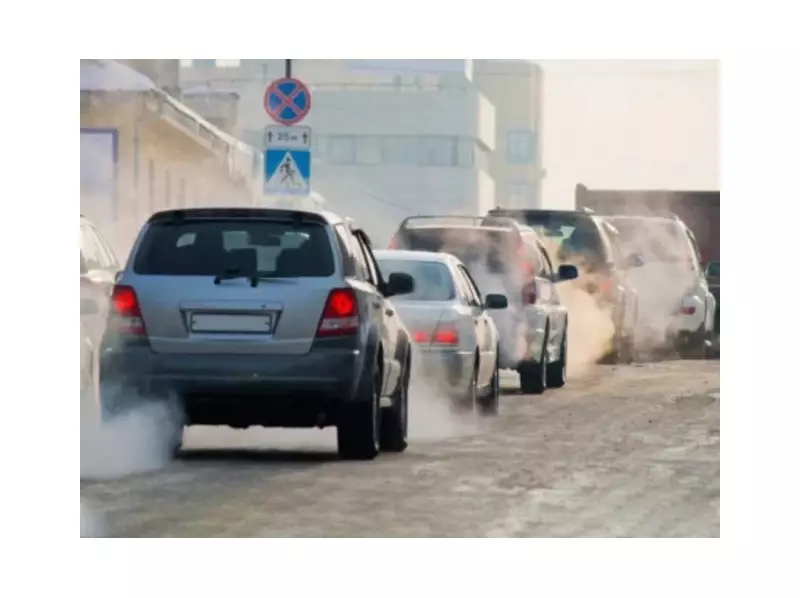
The primary goal of this measure is to reduce the emission of harmful pollutants, including particulate matter (PM2.5) and nitrogen oxides, from the transport sector. These emissions are a leading cause of the dense smog that blankets cities like Lahore, Karachi, and Islamabad during the winter months, posing severe health risks to the public.

Enforcement and Expected Impact
For the ban to be effective, the EPA has mandated a coordinated effort with provincial transport departments and the National Highways and Motorway Police (NHMP). Authorities are tasked with setting up checkpoints and conducting random inspections to identify and impound vehicles violating the new rules. Owners of such buses will face fines and will not be allowed to operate until their vehicles are brought up to standard through necessary repairs or engine overhauls.
This move is expected to have a substantial impact on the public transport landscape. While it may initially reduce the number of available buses, it is projected to accelerate the modernization of the fleet. The policy pushes transport companies and individual owners to either retrofit old buses with environmentally cleaner technology or invest in newer, compliant vehicles. This shift is crucial for Pakistan's long-term environmental and public health goals.
Public and Expert Reaction
Environmental experts and health professionals have largely welcomed the EPA's decision, describing it as a necessary, albeit delayed, intervention. They argue that the continuous operation of dilapidated, smoke-emitting buses has been a major oversight in the nation's environmental policy. Citizens, especially in smog-affected areas, have expressed hope that this enforcement will lead to visibly cleaner air.
However, concerns have been raised by some bus owners and transport associations regarding the financial burden of compliance. They have called for government support in the form of subsidies or easy loan schemes to facilitate the transition to a greener fleet. The success of the ban will ultimately depend on consistent enforcement and the provision of viable alternatives for transport operators.
In conclusion, the EPA's ban on old and unfit buses marks a critical juncture in Pakistan's fight against air pollution. By targeting a key source of emissions, the policy aims to safeguard public health and push the transportation industry toward sustainable practices. Its effective implementation will be a true test of the authorities' commitment to a cleaner environment.