Venezuela has issued a firm and resolute response to a significant escalation in pressure from the United States. The South American nation has vowed to defend its homeland at any cost following the announcement of a US-led blockade targeting its vital oil tankers. This dramatic development marks a new and perilous chapter in the long-standing tensions between Caracas and Washington.
Maduro's Defiant Stance Against "Pirate" Actions
In a powerful national address, Venezuelan President Nicolas Maduro condemned the United States' decision to impose a blockade on the country's oil tankers. He framed the action as a direct act of aggression and economic warfare aimed at crippling Venezuela's primary source of revenue. President Maduro declared that Venezuela is prepared to defend its sovereignty and territorial integrity with all necessary means. He accused the US of engaging in "pirate" behavior, attempting to strangle the Venezuelan economy and undermine its constitutional government.
The Venezuelan leader emphasized that this move by Washington is not an isolated incident but part of a broader campaign of sanctions and coercive measures that have severely impacted the living standards of ordinary Venezuelans. He called for national unity and mobilization in the face of what he described as an imperialist threat to the nation's right to self-determination and control over its natural resources.

Details of the US Tanker Blockade and Regional Implications
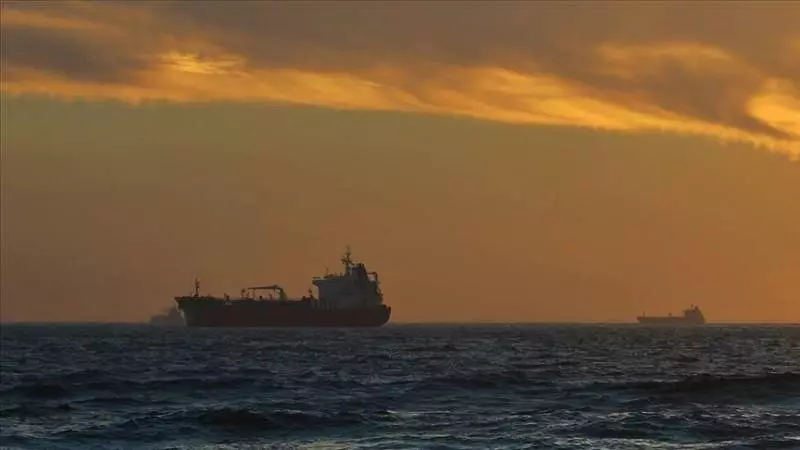
The specific details of the US blockade, announced on Wednesday, December 18, 2024, involve preventing Venezuelan-flagged oil tankers and certain vessels carrying Venezuelan crude from freely navigating international waters. The objective is to cut off the flow of oil exports, which are the financial lifeblood of the Venezuelan state. This represents a significant hardening of the existing complex web of US sanctions that have targeted Venezuela's state-owned oil company, PDVSA, for years.
This aggressive posture by the United States is likely to have immediate and severe repercussions for Venezuela's already struggling economy. It also raises the stakes for regional stability in the Caribbean and Latin America. The move could force other nations in the region to take sides, potentially creating new diplomatic fissures. Furthermore, it risks escalating into a direct confrontation at sea, posing a serious challenge to international maritime law and security.
A Costly Defense and an Uncertain Future
Venezuela's pledge to defend itself "at any cost" underscores the gravity with which Caracas views this blockade. While the exact nature of Venezuela's response remains to be seen, it could involve military patrols to escort its tankers, appeals to international bodies like the United Nations, and seeking stronger alliances with geopolitical partners sympathetic to its cause, such as Russia, China, and Iran.
The situation creates a volatile standoff with global implications, particularly for energy markets. Any disruption to the movement of Venezuelan oil, even from a nation with reduced output, can contribute to price volatility. For the people of Venezuela, this external pressure compounds a deep domestic crisis characterized by hyperinflation, scarcity of basic goods, and significant migration.
As both sides dig in their heels, the path toward de-escalation appears narrow. The US administration frames its actions as a necessary measure against a regime it considers illegitimate and oppressive. Meanwhile, the government of Nicolas Maduro portrays itself as a sovereign nation resisting unlawful foreign aggression. The coming weeks will be critical in determining whether this confrontation leads to a dangerous miscalculation or opens a new, albeit tense, diplomatic channel.