Trump Comments on Doha Talks and Military Stance
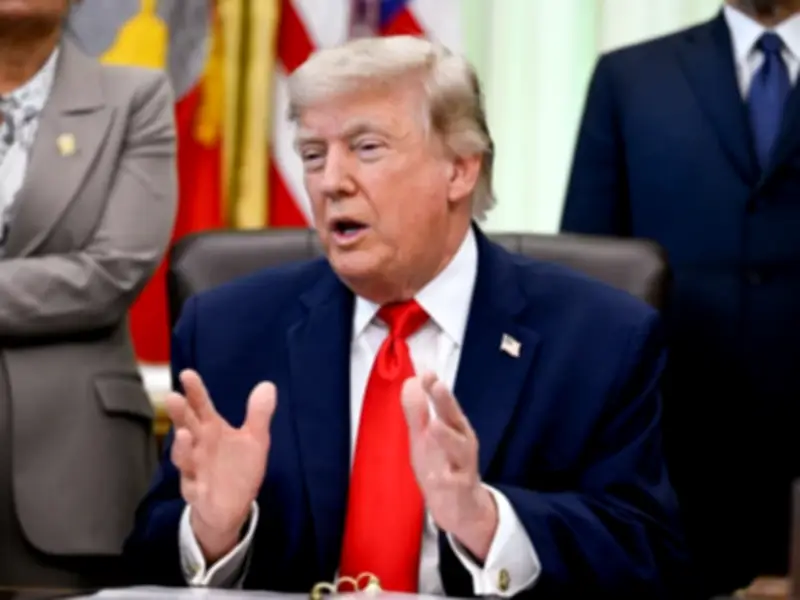
US President Donald Trump told reporters in the Oval Office on Tuesday that the upcoming meeting in Doha "is going to be perhaps important, perhaps not. We're going to find out." He maintained that "we're winning militarily" and reiterated his condition that Iran must be prevented from producing a nuclear weapon. Iranian and US negotiating teams were expected in Doha this week, but Iran stated on Monday that no meeting had been scheduled, as weekend missile fire from both sides tested the interim ceasefire aimed at ending the four-month-old conflict.
Delegations and Denials: No Direct Talks Planned
Trump is sending his son-in-law Jared Kushner and envoy Steve Witkoff to lead the negotiating team, according to press secretary Karoline Leavitt. While Iran is sending its technical delegation to Qatar this week, Foreign Ministry spokesperson Esmaeil Baghaei said this had "no relation" to the Americans' visit and that no talks between the two sides were scheduled. "We will not have any negotiation meetings at any level with the American side in the coming days," Baghaei stated. The disagreement over whether the sides would even meet underscored the fragility of the June 17 accord to pause a conflict that has disrupted global oil flows through the Strait of Hormuz and created a political headache for Trump ahead of November's congressional elections.
Ceasefire Accord and Implementation Challenges
The US and Iran gave themselves at least 60 days to implement a 14-point memorandum of understanding to extend an April ceasefire, discuss Iran's nuclear program, and negotiate a permanent truce. However, progress has been halting, with each side accusing the other of violating agreed terms. After the US and Israel attacked Iran on February 28, maritime traffic through the Strait of Hormuz—the narrow chokepoint that previously carried about a fifth of the global oil trade—came to a virtual standstill. Israel has not joined the US-Iran peace talks and has distanced itself from the agreement.

Wider Regional Implications and Political Pressure
Tensions between Washington and Tehran have complicated efforts to end fighting in Lebanon, where Parliament Speaker Nabih Berri, an ally of Hezbollah, has cast doubt on a separate, US-brokered agreement between Lebanon and Israel aimed at halting the conflict. The closure of the waterway sent oil prices above $100 a barrel, pushing up global inflation and putting pressure on Trump ahead of the midterm elections that will determine control of the US Congress, where some of his fellow Republicans have criticized the president for waging war without lawmakers' authorization.
Doha Meeting Details and Mediation Plans
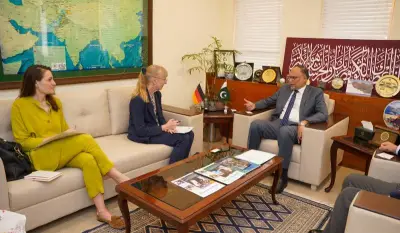
A senior Iranian official said there would be a meeting in Doha on Tuesday, but unlike previous technical talks between Iran and US teams in Switzerland, the focus would be on managing the Strait of Hormuz and de-escalating tensions. Another official with knowledge of the plans said technical teams from the US and Iran are expected to meet separately with Qatari and Pakistani mediators on Wednesday. Tensions in Washington over Hormuz have escalated, as Iran has sought leverage by sharing its control of the Strait with neighboring Oman, saying it plans to charge fees to ships using the waterway and to obstruct vessels that stray outside defined paths.
Recent Hostilities and Congressional Briefing
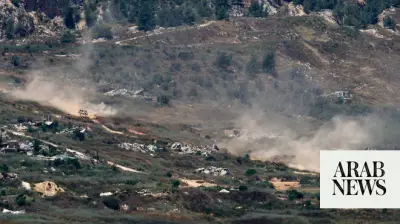
The US has claimed that Iran has hit at least two commercial ships with missiles or drones in recent days and has bombed Iranian military facilities in response. Iran, in turn, launched missiles and drones at US military sites in Kuwait and Bahrain early on Sunday. Witkoff and Secretary of State Marco Rubio briefed members of Congress on Iran by phone on Monday. Republican Senator Steve Daines told reporters they kept their remarks to a minimum, but he nonetheless deemed the conversation "constructive." Top Senate Democrat Chuck Schumer, however, called the briefing "deficient and devoid of details."

Schumer Criticizes Administration
“After dragging America into a costly war, the Trump administration still can’t name a single thing Americans got in return. Instead, Secretary Rubio confirmed to me that Iran will reap billions in oil revenue while retaining dangerous leverage over the Strait of Hormuz," Schumer said. The criticism highlights the political stakes for Trump as the conflict continues.
Iranian Assets Release and Oil Price Impact
Iranian President Masoud Pezeshkian said on Monday that $6 billion of the $12 billion in assets frozen in Qatar would be released and returned to Iran, according to Iranian state media. He described the memorandum, which includes US waivers for sanctions on Iran's oil and petrochemical sectors, as "a great victory for the Iranian people." Oil prices rose more than 1% after weekend hostilities highlighted the fragility of the US-Iran accord. French President Emmanuel Macron on Monday said he was working with Oman to de-escalate tensions and would cooperate with partners to de-mine the Strait of Hormuz. However, Iran's Deputy Foreign Minister Kazem Gharibabadi responded with an X post stating that the removal of mines was to be carried out solely by Iran according to the 14-point plan, and he warned France against complicating the situation.