Pakistan Prime Minister Shehbaz Sharif declared the right of free maritime passage and freedom of navigation an 'absolute necessity' for the entire world on Saturday, following a fresh attack on a tanker in the Strait of Hormuz. The statement came during a commissioning parade at the Pakistan Naval Academy in Karachi.
Attack on Tanker in Strait of Hormuz
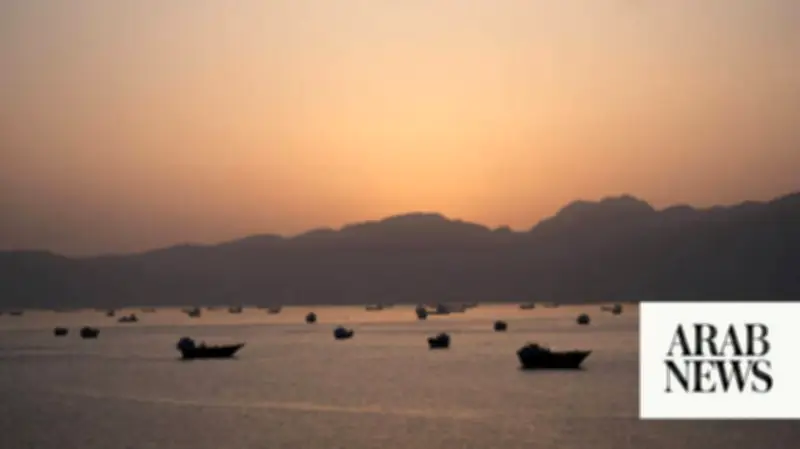
The British military's United Kingdom Maritime Trade Operations center reported the attack, confirming the ship's crew was safe and no environmental damage occurred. The incident follows a series of exchanges between the United States and Iran, raising fears of the conflict escalating again despite an interim deal.
Bahrain reported on Saturday that Iran launched a drone attack on the island kingdom, shortly after Tehran claimed it targeted US military installations in retaliation for overnight airstrikes. These developments have heightened tensions in the region.

Pakistan's Stance on Maritime Security
Addressing the parade, PM Sharif emphasized that the evolving regional situation underscores the importance of maritime security for the global economy and international supply chains. 'Today, the right of free passage and freedom of navigation are no longer luxuries but have become an absolute necessity for the entire world,' he said.
Sharif noted that Pakistan, along with Qatar, Saudi Arabia, and other regional states, has pushed for a diplomatic solution to the US-Iran conflict. He reiterated Pakistan's commitment to strengthening its navy as a stabilizing force in the wider maritime region.
Background of the US-Iran Conflict
The US launched airstrikes in response to an Iranian drone attack on a ship attempting to exit the Strait of Hormuz on Thursday. This is part of a series of attacks that have disrupted the relative calm since the war began in late February.
On June 18, the US and Iran signed a 14-point framework agreement, known as the Islamabad Memorandum of Understanding, to end their months-long war and reopen the Strait of Hormuz. The interim agreement initiated a 60-day negotiating period for a final deal on Iran's nuclear program, with the US offering a major concession by allowing Iran to freely sell its oil.
Iran's Demands and International Response
Despite the agreement, Iran insists that ships must obey its orders and warns it will begin charging fees for transit through the strait, through which a fifth of the world's oil and natural gas once passed. The US and Gulf Arab states have rejected these demands, considering the strait an international waterway despite being within Iran and Oman's territorial waters.
A maritime body overseen by the US Navy announced Saturday that a route through the Strait of Hormuz near Oman's shores is expanding to allow for both inbound and outbound traffic. The Joint Maritime Information Center's announcement serves as a warning to Iran that the US is pushing to reopen the strait.
Pakistan Navy's Role
Sharif commended the efforts of Operation Muhafiz-ul-Bahr, which ensured the uninterrupted flow of critical energy supplies to Pakistan's ports during the US-Iran conflict. He expressed full commitment to strengthening the Pakistan Navy as a potent force capable of ensuring national defense and acting as a stabilizing force in the region.