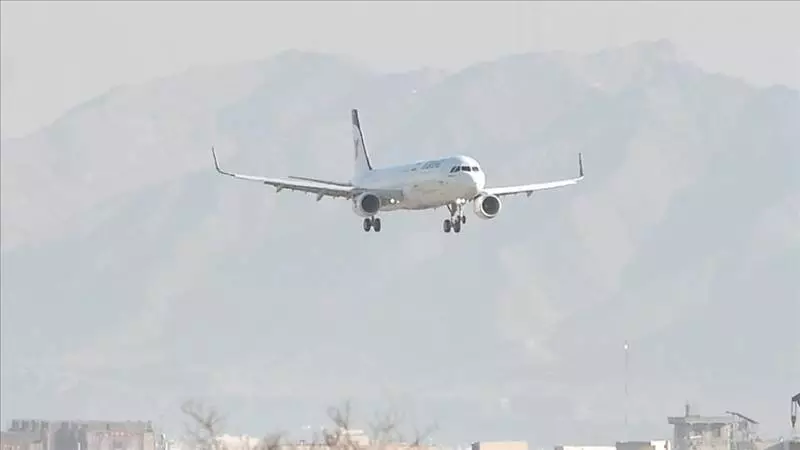
Iran has imposed a significant restriction on its airspace, closing it to all flights except for international civilian arrivals and departures that receive special prior permission. This move, announced in an official aviation notice early on Thursday, is set to remain in effect until January 15.
Details of the Airspace Closure
The notice to air missions (NOTAM) stated that the Tehran airspace would be closed, permitting only international civilian flights to operate after securing approval from Iran's Civil Aviation Authority. The restriction explicitly applies to all flights attempting to enter or leave the country, effectively suspending all other air traffic. This decision comes at a time of heightened regional and domestic tensions, including ongoing anti-government protests within Iran and increasing international scrutiny of the country's internal affairs.
International Reactions and Accusations
The situation has drawn sharp reactions from Western nations. US President Donald Trump stated he was informed that executions of protesters were being halted, but he warned that Washington would monitor developments closely. Trump, who has repeatedly voiced support for the protesters, cautioned that the US could take "very strong action" if the executions were to proceed.

Furthermore, G7 foreign ministers have collectively condemned what they described as the "deliberate use of violence" against demonstrators. They urged Iranian authorities to show restraint and respect human rights, signaling the possibility of additional measures if the situation does not improve.
In response, Iranian officials have levelled accusations against the United States and Israel, claiming they are backing what Tehran calls unrest and terrorism linked to the protests. These claims have been firmly denied by Western governments.
Domestic Context and Casualty Figures
The protests, which began in late December, have led to a significant human cost. While Iranian authorities have not released official casualty figures, various international human rights groups report that thousands have been killed and injured since the demonstrations started. The airspace closure is seen as a measure reflecting the government's attempt to control the situation amid this internal turmoil and external pressure.