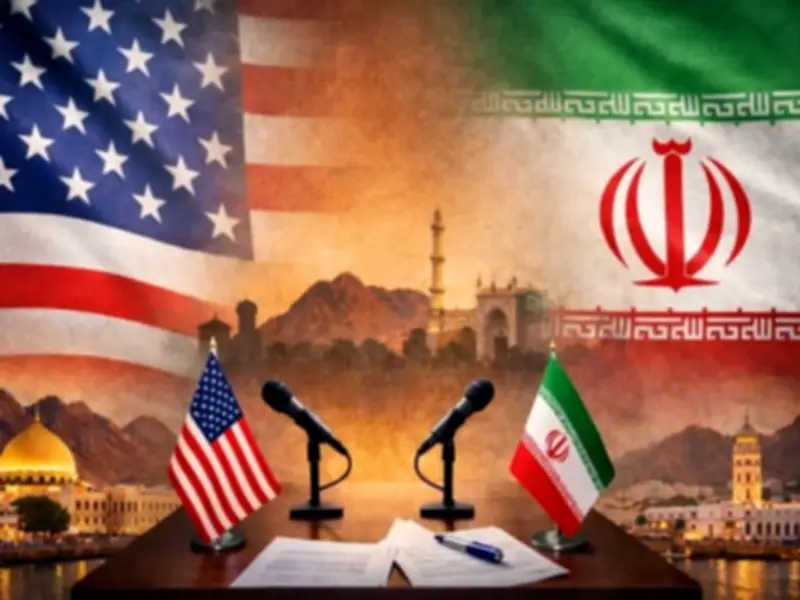
The diplomatic discussions between the United States and Iran are increasingly defined by competing narratives, as both sides present contrasting views on the key issues at stake. The talks, which aim to address the ongoing nuclear standoff and broader regional tensions, have highlighted significant divergences in how each party frames the challenges and potential solutions.
Divergent Perspectives on Nuclear Program
From the American perspective, the primary concern remains Iran's nuclear advancements, which Washington argues could potentially lead to the development of nuclear weapons. The US has repeatedly called for stringent verification measures and a rollback of Iran's nuclear activities to ensure compliance with international nonproliferation norms. In contrast, Tehran maintains that its nuclear program is entirely peaceful and designed for civilian energy purposes. Iranian officials emphasize their right to enrich uranium under the Non-Proliferation Treaty and accuse the US of using unsubstantiated allegations to justify continued pressure.
Sanctions and Economic Pressure
Another point of contention is the regime of sanctions imposed by the United States. Washington views these sanctions as a necessary tool to compel Iran to negotiate in good faith and to limit its regional influence. However, Iran portrays the sanctions as an act of economic warfare that inflicts suffering on the Iranian people and violates international law. Iranian negotiators have insisted that any meaningful agreement must include the complete and verifiable lifting of all sanctions, while the US has signaled a willingness to ease some restrictions only in exchange for concrete concessions.

Regional Dynamics and Proxy Conflicts
The discussions also extend beyond nuclear issues to encompass Iran's role in regional conflicts. The US accuses Iran of destabilizing the Middle East through support for proxy groups in countries such as Yemen, Syria, and Lebanon. Washington seeks to curb these activities as part of any comprehensive deal. Iran, however, frames its regional engagements as legitimate support for allies against what it describes as US and Israeli aggression. Tehran argues that its presence in these conflicts is defensive and based on invitations from sovereign governments.
Internal Politics and Public Opinion
Both sides are also influenced by domestic political considerations. In the US, hardliners and some allies of Israel have pushed for a tougher stance, while moderates advocate for diplomacy. Iran's leadership faces pressure from conservative factions who view negotiations with the US as a betrayal of revolutionary principles, while pragmatists see an opportunity to alleviate economic hardship through a deal. These internal dynamics contribute to the competing narratives that shape the talks, often leading to public statements that harden positions and reduce the space for compromise.
As the negotiations continue, the competing narratives surrounding the US-Iran talks underscore the deep mistrust between the two nations. Achieving a breakthrough will require not only technical compromises on nuclear and sanctions issues but also a mutual effort to bridge the perceptual gaps that define their relationship. The coming weeks will be critical in determining whether the talks can move beyond entrenched narratives toward a sustainable diplomatic resolution.