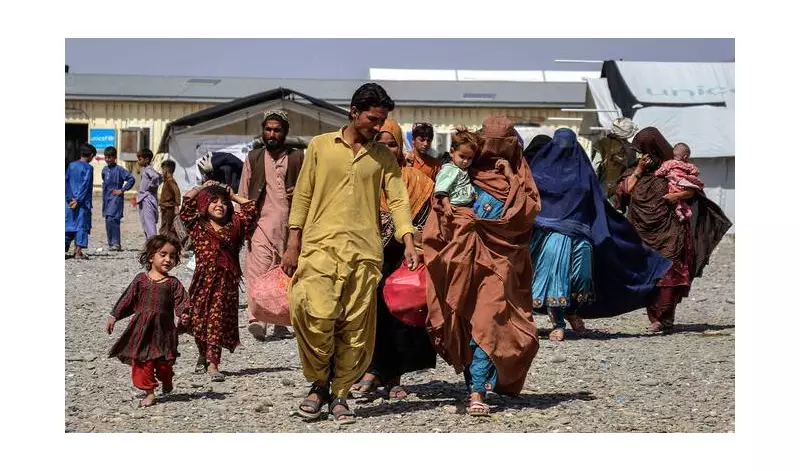
In a significant ongoing operation, Pakistan has successfully repatriated a massive number of Afghan nationals residing in the country without legal authorization. Official figures released on January 5, 2026, confirm that more than 682,000 individuals have been sent back to Afghanistan.
Scope and Scale of the Repatriation Drive
The government's campaign to identify and return individuals lacking proper documentation has reached a major milestone. The data, which is regularly updated, shows a steady flow of returnees since the policy's announcement and subsequent enforcement. This large-scale movement underscores the resolve of Pakistani authorities to address the issue of illegal immigration through structured channels.
A spokesperson for the ministry involved provided the precise figure, stating that the count of repatriated Afghan nationals had reached 682,000 exactly by the start of the new year. The process is managed through designated border crossing points to ensure order and record-keeping.

Government Policy and Rationale
The decision to launch this repatriation plan was driven by several key concerns articulated by the Pakistani government. Officials have consistently cited pressing issues related to national security and the country's economic strain as primary motivations. The presence of a large undocumented population is seen as a complex challenge with implications for law, order, and public resources.
The policy framework mandates that all foreign nationals, particularly Afghan citizens, must possess valid legal documents to remain in Pakistan. Those found without such documentation are subject to return to their country of origin. The government has framed this not as an ad-hoc measure but as a necessary step to uphold the rule of law and regulate migration.
Ongoing Process and Future Implications
The repatriation operation is active and continuing, with numbers expected to rise in the coming weeks and months. The implementation involves multiple agencies working in coordination to process individuals at transit centers before facilitating their crossing into Afghanistan.
This substantial demographic shift has wide-ranging consequences. For Pakistan, it represents a major step in its immigration control efforts. For Afghanistan, the return of hundreds of thousands of citizens poses a significant challenge in terms of reintegration and humanitarian aid. The international community is closely monitoring the situation, with calls for the process to be conducted in a humane and orderly manner, respecting the rights of those affected.
As the situation evolves, the Pakistani government maintains that this action is essential for long-term stability. The figure of 682,000 marks a critical point in one of the region's most substantial population movements in recent years, with the full impact yet to be fully realized.